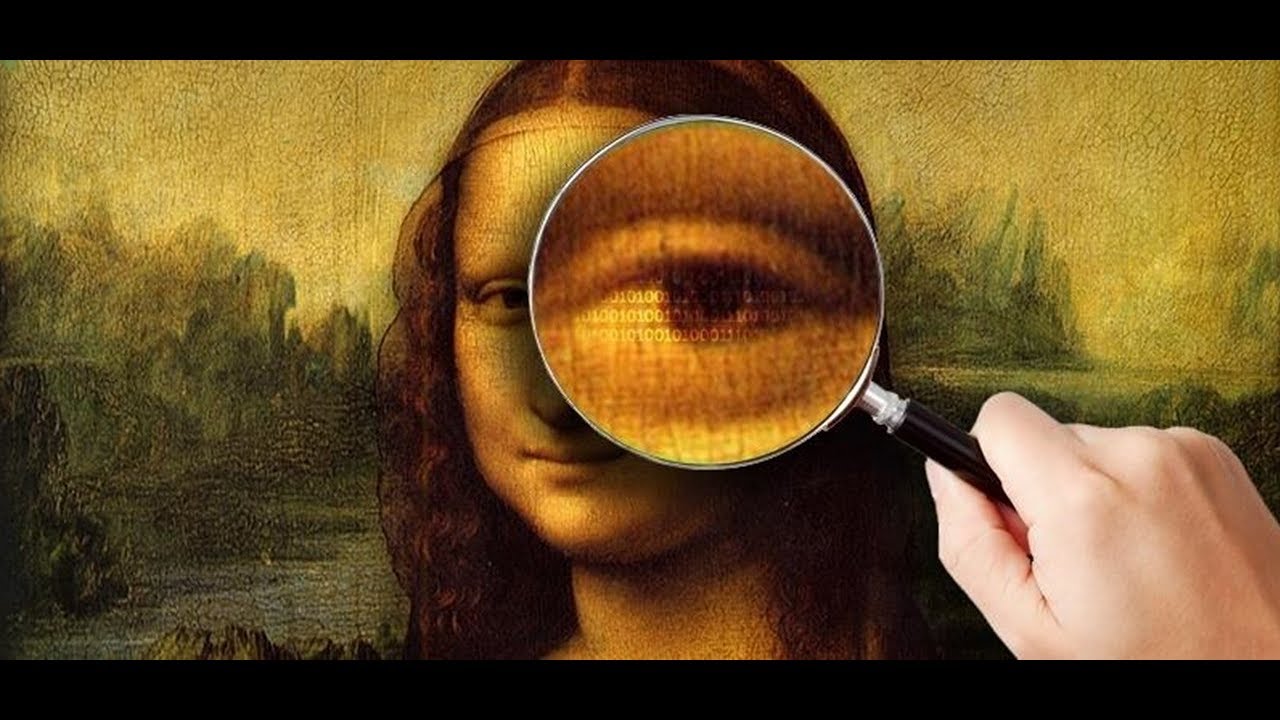
Steganography Tutorial - Hide Messages In Images
Keywords
Summary
173 words
Critical Evaluation
Value of the Information & Strength of the Argument
The video provides practical, hands-on value by demonstrating a real-world steganography tool in a straightforward manner. The argumentation is based on a direct demonstration, which is convincing for a tutorial. The presenter explains the concept simply and reinforces its relevance to ethical hacking by showing how images can carry hidden messages without detection. The choice of tool (Stegosuite) is open-source and credible, and the step-by-step process is easy to follow. However, the video lacks depth: it does not discuss steganography techniques beyond the tool’s usage, nor does it address security aspects or potential countermeasures. The value is thus strong for beginners but limited for advanced viewers.
Scientific Rigor, Source Quality, Title Accuracy
The video cites three sources in the description: FinerCoder (the creator’s own site), Pixabay (for free images), and Stegosuite (the tool used). These are relevant and legitimate. The title matches the content exactly, as it is a tutorial on steganography for hiding messages in images. The scientific rigor is moderate: the explanation is correct but superficial, and no references to research or deeper documentation are provided. The video’s main focus is practical application, not academic rigor. The comments, while not analyzed for trends, show positive reception, with one noting that the tutorial starts later due to a long intro.
220 words
Title / Content Match
The title accurately reflects the content: a step-by-step tutorial on hiding messages in images using steganography.
Quality & Reliability
7/10
The video provides a clear, practical demonstration of steganography using the open-source tool Stegosuite. The explanation is accurate but basic, and the creator's credibility is reinforced by the channel's focus on ethical hacking. No inaccuracies were noted, but the content is introductory and does not delve into underlying mathematical or algorithmic details.
Key Moments
Markers derived by PSI from the transcript: the creator did not define chapters.
- Introduction, subscriber milestone, and announcement of FinerCoder platform.
- Start of the actual steganography topic, definition of steganography.
- Introduction to Stegosuite tool and how to download it.
- Demonstration of opening an image from Pixabay and embedding a secret message.
- Embedding the message with a password and saving the steganographic image.
- Demonstration of extracting the hidden message using the password.
Cited Sources
- FinerCoder — The creator's own platform for ethical hackers and programmers, mentioned and promoted in the video.
- Pixabay — Source of royalty-free images used in the demonstration.
- Stegosuite — The open-source steganography tool demonstrated in the tutorial.
Concurring Sources
- Steganography - Wikipedia — Wikipedia's article on steganography supports the definition and context provided in the video.
- Stegosuite official website — The official tool site, confirming its open-source nature and Java-based implementation.
Contribution & Novelties
The video offers a practical, beginner-friendly introduction to steganography, specifically using Stegosuite. Its novelty lies in making the concept accessible through a real demonstration, bridging the gap between theory and application. The creator’s emphasis on community (FinerCoder) adds a collaborative dimension.
Pour aller plus loin :
- Steganography on Wikipedia — Comprehensive overview of steganography techniques and history.
- Stegosuite GitHub repository — Source code and additional documentation for the tool.
- Digital Image Steganography — Academic perspective on image steganography methods.
79 words
Radar Profile
The radar profile shows moderate to high scores in quality and reliability, with a lower score in technical depth due to the introductory nature. The video is a balanced, practical tutorial that excels in clarity and reliability but is limited in advanced content, consistent with its target audience.
💬 positif. Sur les 30 commentaires analysés, le climat est très positif : les spectateurs expriment majoritairement leur gratitude et leur appréciation pour la clarté de l'enseignement, certains soulignant l'efficacité du tutoriel et la valeur du contenu, malgré une introduction jugée longue par un commentateur.