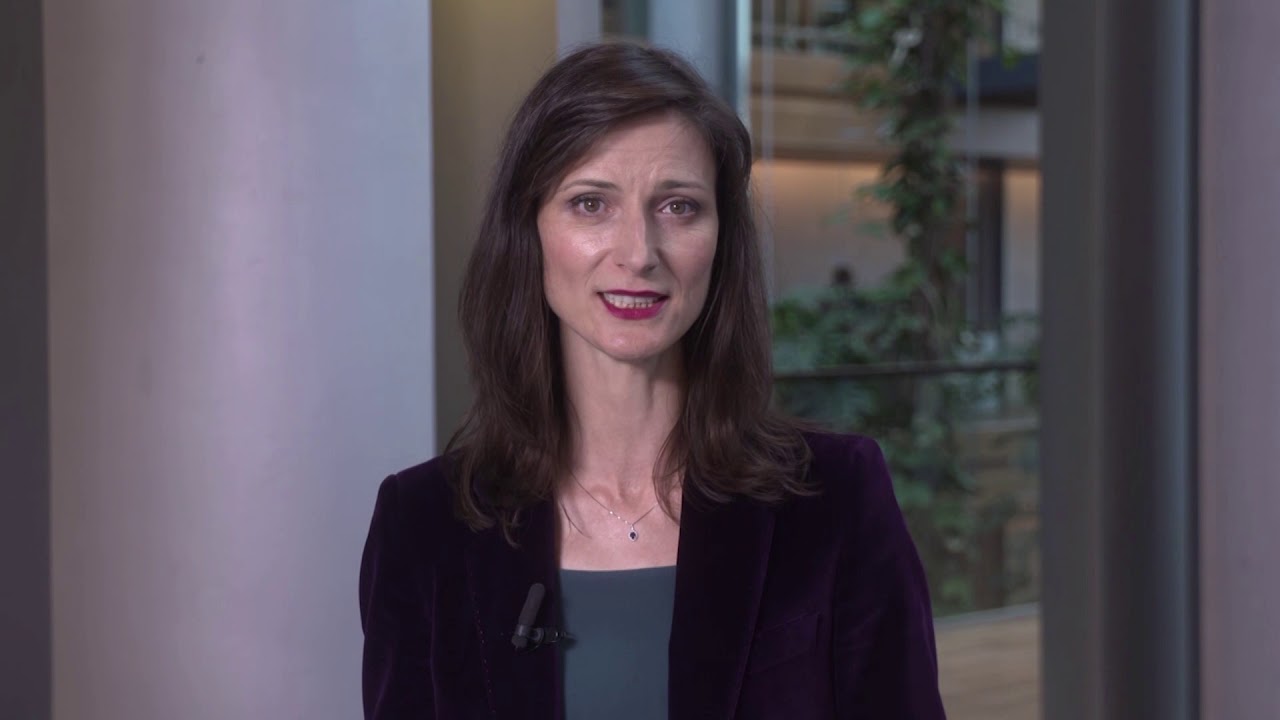
Table ronde #GEN2018 • L'Europe numérique au féminin : quels défis et perspectives ?
Round table #GEN2018 • Digital Europe in the feminine: what challenges and perspectives?
Keywords
Summary
194 words
Critical Evaluation
Value of the Information & Strength of the Argument
The value of the information is significant: it draws on official European Commission data and presents concrete initiatives, such as the ‘Women in Digital’ strategy and the WHAT network. The argumentation is persuasive through a combination of statistical evidence and personal anecdotes. Amandine’s account of being steered away from mechanical engineering due to gender stereotypes is compelling. However, some arguments remain at the level of general statements without deep causal analysis. The panelists effectively challenge assumptions and call for structural change, though the discussion occasionally lacks rigorous citation of studies beyond the Commissioner’s speech.
Scientific Rigor, Source Quality, Title Accuracy
The scientific rigor is moderate. The video relies heavily on statistics from the European Commission, which are credible but not independently verified. The title perfectly matches the content: it is a genuine round table on women in digital Europe. The debate is well-structured, but source quality is limited to the Commissioner’s message and personal testimony. No external studies are cited beyond those implied by Mariya Gabriel, and no conflicting evidence is discussed. This limits the depth of the analysis.
188 words
Title / Content Match
The title accurately reflects the content, which is a round table discussion on the challenges and perspectives for women in digital Europe.
Quality & Reliability
7/10
The video combines official statistics from the European Commission with personal testimonies and expert opinions, but some statements are not exhaustively sourced and the debate format introduces subjective viewpoints.
Key Moments
Markers derived by PSI from the transcript: the creator did not define chapters.
- Introduction by moderator Guy Keckhut, presenting the topic and announcing the absence of Commissioner Mariya Gabriel.
- Video message from Mariya Gabriel, European Commissioner for Digital Economy, with alarming gender statistics and the 'Women in Digital' strategy.
- Reaction from Monique Mai, highlighting the omission of disability and senior inclusion in the digital agenda.
- Lou Hamonic presents the WHAT network (Women Hackers Action Tank) and its mission to foster diversity.
- Amandine Laveau-Zimmerlé discusses the decline in female enrolment in tech education and stereotypes.
- Discussion on concrete actions, role models, and the cost of gender gap to the European economy.
Cited Sources
- European Commission study 'Women in the Digital Age' — Cited by Mariya Gabriel to estimate the annual productivity loss of €16 billion due to the gender gap in the digital sector.
- European Commission's 'Women in Digital' strategy — Mentioned as the basis for initiatives such as the 'No More Panel' pledge and the European network for women in digital.
Contribution & Novelties
The video offers a platform for European-level policy initiatives and personal narratives, emphasizing concrete examples like the WHAT network and the testimonial of a female CEO. The originality lies in bridging official EU data with grassroots experiences, making the issue tangible. It also raises a critical voice (Monique Mai) on the exclusivity of diversity discourse.
Pour aller plus loin :
- Women in computing - Wikipedia — Provides historical context on gender disparity in tech fields.
- Gender pay gap - Wikipedia — Links to wider economic inequalities relevant to the discussion.
- Digital Single Market - Wikipedia — Background on EU policies affecting the digital economy.
104 words
Radar Profile
The radar profile shows high scores in information quantity and moderate in quality and technical depth, reflecting a debate that is informative but not deeply technical. Reliability is acceptable due to the inclusion of official data, though the absence of contradictory sources lowers it.