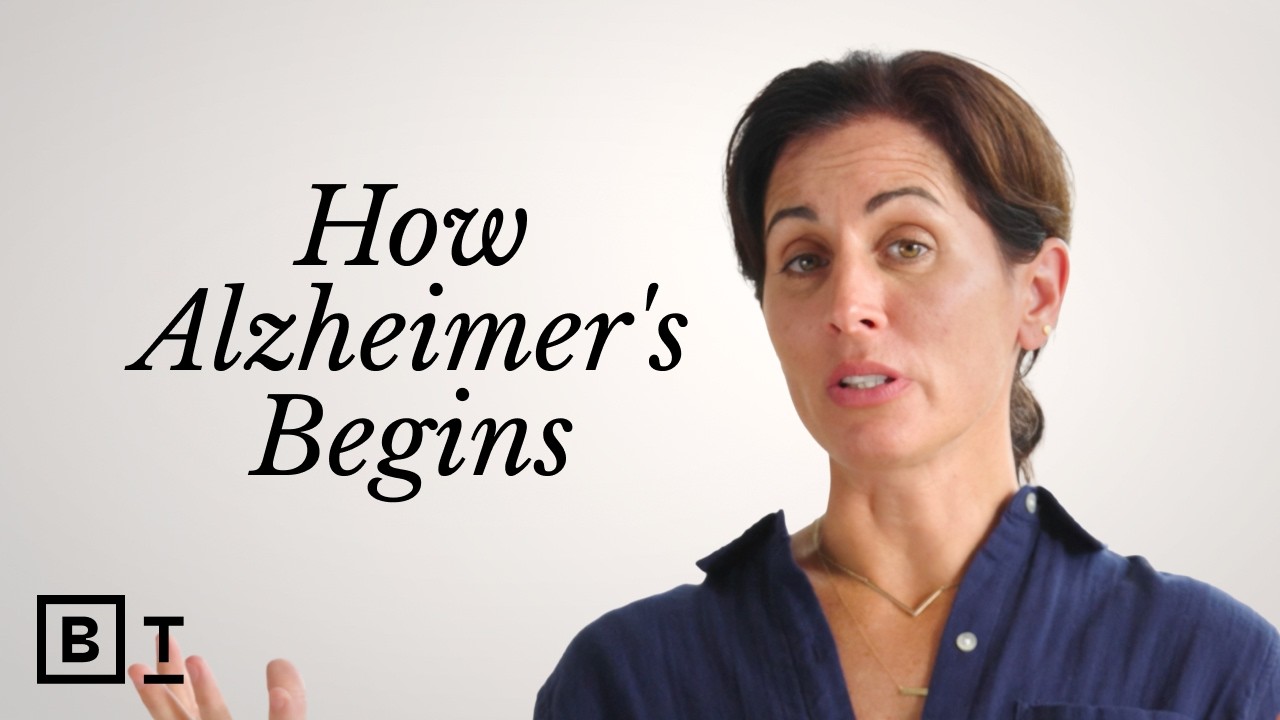
These 5 things reduce your probability of developing Alzheimer's | Lisa Genova
Keywords
Summary
168 words
Critical Evaluation
Value of the Information & Strength of the Argument
The video offers valuable, actionable advice grounded in scientific research, though it omits direct citations to specific studies. The argumentation is clear and logical, connecting each lifestyle factor to underlying biological mechanisms. The distinction between normal forgetfulness and Alzheimer’s symptoms is particularly reassuring. The stress segment includes a practical 9-second meditation, enhancing the video’s utility. Overall, the argumentation is compelling and well-structured, making complex neuroscience accessible to a lay audience.
Scientific Rigor, Source Quality, Title Accuracy
The title is accurate and engaging. The source, Lisa Genova, is a Harvard-trained neuroscientist and bestselling author, adding credibility. However, the video lacks explicit references to the longitudinal and MRI studies mentioned, limiting verifiability. The description provides links to Big Think membership and the full interview, which may contain more detailed information. For a science communication piece aimed at the public, the rigor is good, but more transparency about specific studies would improve reliability.
159 words
Title / Content Match
The title accurately represents the content: five lifestyle factors (sleep, diet, exercise, stress, and learning new things) are discussed as ways to reduce Alzheimer's risk.
Quality & Reliability
8/10
The video is presented by Lisa Genova, a neuroscientist with a PhD from Harvard, lending high credibility. The claims align with established research, but it stops short of citing specific studies, which slightly reduces reliability.
Key Moments
Markers derived by PSI from the transcript: the creator did not define chapters.
- Introduction and credentials of Lisa Genova
- Explanation of Alzheimer's development with amyloid plaques
- Differentiating normal forgetting from Alzheimer's symptoms
- The role of sleep in memory consolidation and amyloid clearance
- Diet: Mediterranean diet and its protective effects
- Exercise: aerobic activity reduces Alzheimer's risk
- Stress: chronic stress shrinks hippocampus and raises risk
- Meditation and breathing technique to combat stress
- Cognitive reserve: learning new things builds brain resilience
Cited Sources
- Big Think Membership — Promoted at the end of the video and in the description to support Big Think and access additional content.
- Full Interview with Lisa Genova — Linked in the description as the full interview from which this clip is taken.
Contribution & Novelties
The video’s contribution lies in its clear synthesis of established research into five actionable lifestyle factors, presented by a trusted expert. It emphasizes that Alzheimer’s is not genetically destined for 98% of people and offers practical tools like a 9-second meditation. While not groundbreaking to the scientific community, it serves as an accessible public health message, bridging the gap between complex neuroscience and everyday behavior.
Pour aller plus loin :
- Mediterranean diet — This dietary pattern is consistently linked to reduced Alzheimer’s risk in longitudinal studies.
- Cognitive reserve — The brain’s resilience to pathology, built through learning and mental activity, is a key concept in the video.
- Glymphatic system — The brain’s waste clearance system, active during sleep, which removes amyloid beta as discussed.
- Hippocampus — The brain region central to memory formation and affected early in Alzheimer’s, as emphasized by Genova.
142 words
Radar Profile
The score profile shows high quality and reliability (8/8) with moderate quantity and technical level (7/6), indicating a trustworthy and accessible presentation. The video balances depth with simplicity, making it effective for public education.