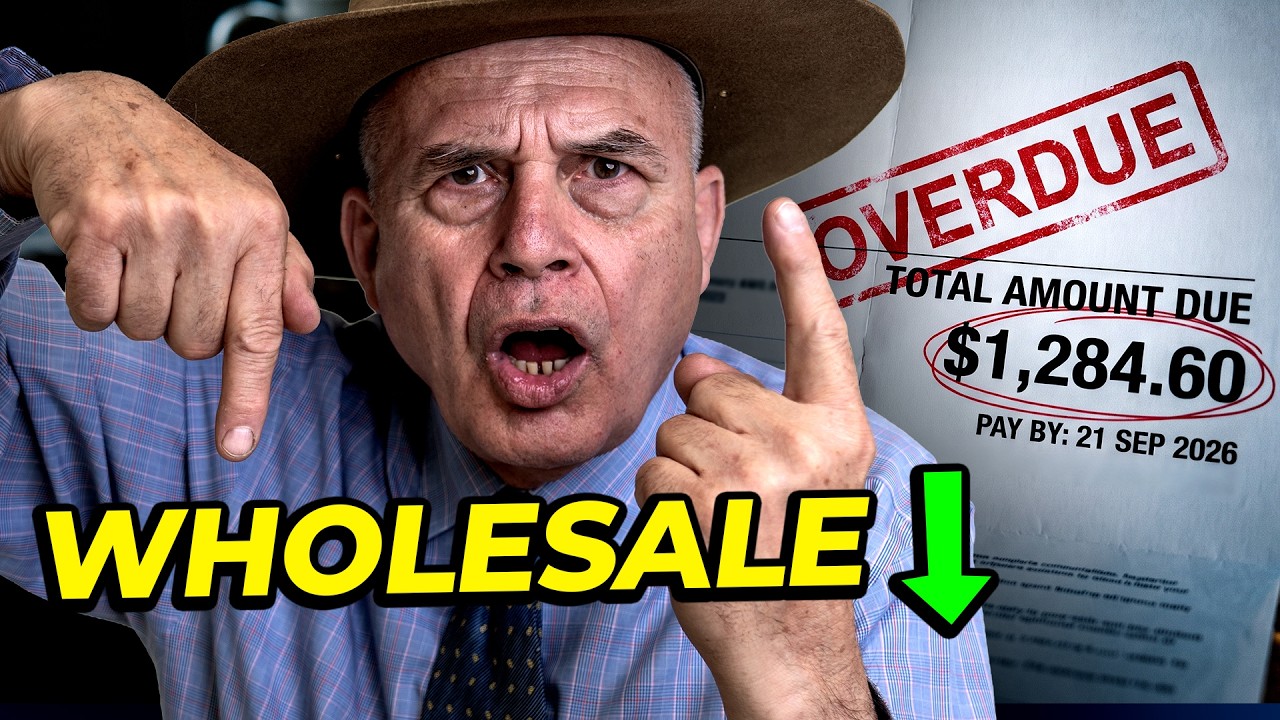
Australia's Wholesale Electricity Just Got Cheaper! But You Pay More?
Keywords
Summary
222 words
Critical Evaluation
Value of the Information & Strength of the Argument
The video provides significant value by demystifying the complex relationship between wholesale electricity prices and retail bills, a topic often misunderstood by the public. It uses a concrete example (Zen Energy) to illustrate the structural challenges facing independent retailers in a market where wholesale prices are low and volatile. The argumentation is coherent and logically structured, moving from the broad observation of falling prices to the specific case of Zen, then to international examples (PJM), and finally to the implications for competition. The author distinguishes between facts (wholesale price trends, Zen’s losses) and inferences (crocodile tears of big players, future consolidation). While the reasoning is plausible, some claims are speculative, such as the prediction that big gentailers will buy up struggling rivals within 24 months. However, the author acknowledges the lack of proof for a deliberate strategy, instead attributing the outcome to market incentives. The reasoning is persuasive, but the video would be stronger with explicit citations for some statistics (e.g., CSIRO figures) and a more balanced presentation of counterarguments. Overall, the value of the information is high for understanding the electricity market’s dynamics, and the argumentation is generally solid.
Scientific Rigor, Source Quality, Title Accuracy
The video refers to specific sources such as CSIRO, the Australian Energy Regulator, and details of Zen Energy’s financials, though it does not provide direct URLs or citations within the video. The description includes links to the creator’s website and a related article, which likely contain more detailed references. The quality of the sources is moderate; CSIRO is a reputable institution, and the regulatory actions are verifiable, but the reliance on unnamed ‘reports’ and the absence of direct citations weaken the evidentiary basis. The title is well-chosen, capturing the apparent contradiction between cheap wholesale and expensive bills, and the video adheres closely to this theme throughout. The content is consistent with the title, and the 13-minute runtime is used effectively to develop the argument without excessive digressions. Comments on the video are not deeply analyzed here, but the presented comments show a mix of frustration with privatization and personal anecdotes, which aligns with the video’s critical stance toward the market structure.
366 words
Title / Content Match
The title poses a intriguing paradox that the video thoroughly explains, connecting wholesale price drops to rising consumer bills through the lens of market structure and industry consolidation.
Quality & Reliability
7/10
The video provides a well-reasoned analysis supported by specific figures and named sources (CSIRO, Zen Energy, PJM), but it is based on the author's perspective and includes speculative predictions about industry behavior and market outcomes. The reliance on narrative-driven explanations and the lack of concrete citations for all claims temper the overall reliability, though the core factual elements appear sound.
Chapters
- Wholesale prices have halved… so why is your bill up?
- Chapter 1: Too Much Solar
- Chapter 2: Low Wholesale Pricing
- Chapter 3: The Zen Energy story
- Chapter 4: The US Situation
- Chapter 5: More about Zen Energy
- Chapter 6: The Gentailer Story
- Chapter 7: What I Am Not Saying
- Chapter 8: How The Story Ends
- Chapter 9: What It Means For You
- Chapter 10: Who Benefits
- Chapter 11: Are Low Prices Helping?
Cited Sources
- Why Cheap Wholesale Electricity is Not Lowering Your Bill (Australia) — Directly related to the video's topic, providing additional analysis and likely references.
- Your Energy Answers — The creator's main website with tools and calculators.
- Automised Energy — A service mentioned in the video for comparing electricity plans, commercial partner.
External References
Contribution & Novelties
The video contributes an accessible explanation of why falling wholesale prices do not translate into cheaper consumer bills, using the Zen Energy collapse as a case study to illustrate market dynamics. It highlights the role of gentailers and the impact of retail last-resort mechanisms on competition. The argument that low prices may actually hinder investment and lead to future spikes is a valuable counterpoint to the generally celebratory coverage of falling wholesale costs.
Pour aller plus loin :
- National Electricity Market (Australia) — Provides background on the Australian electricity market design.
- Capacity market — Explains the capacity payment mechanism referenced in the PJM example.
- Rooftop solar in Australia — Context on Australia’s high solar penetration, a key factor in the wholesale price dynamics.
123 words
Radar Profile
The radar profile shows high scores for quantity and quality of information, moderate technical level, and slightly lower reliability due to the opinion-based nature and limited direct citations. This suggests a well-informed viewpoint that is engaging but should be supplemented with primary sources for maximum credibility.
💬 negative - On the 30 comments analysed, the tone is predominantly critical of privatisation and large energy companies, with many viewers expressing frustration about rising bills and calling for nationalisation or stronger regulation. A few commenters share positive experiences with specific plans, but the overall sentiment is one of distrust and dissatisfaction with the market structure.