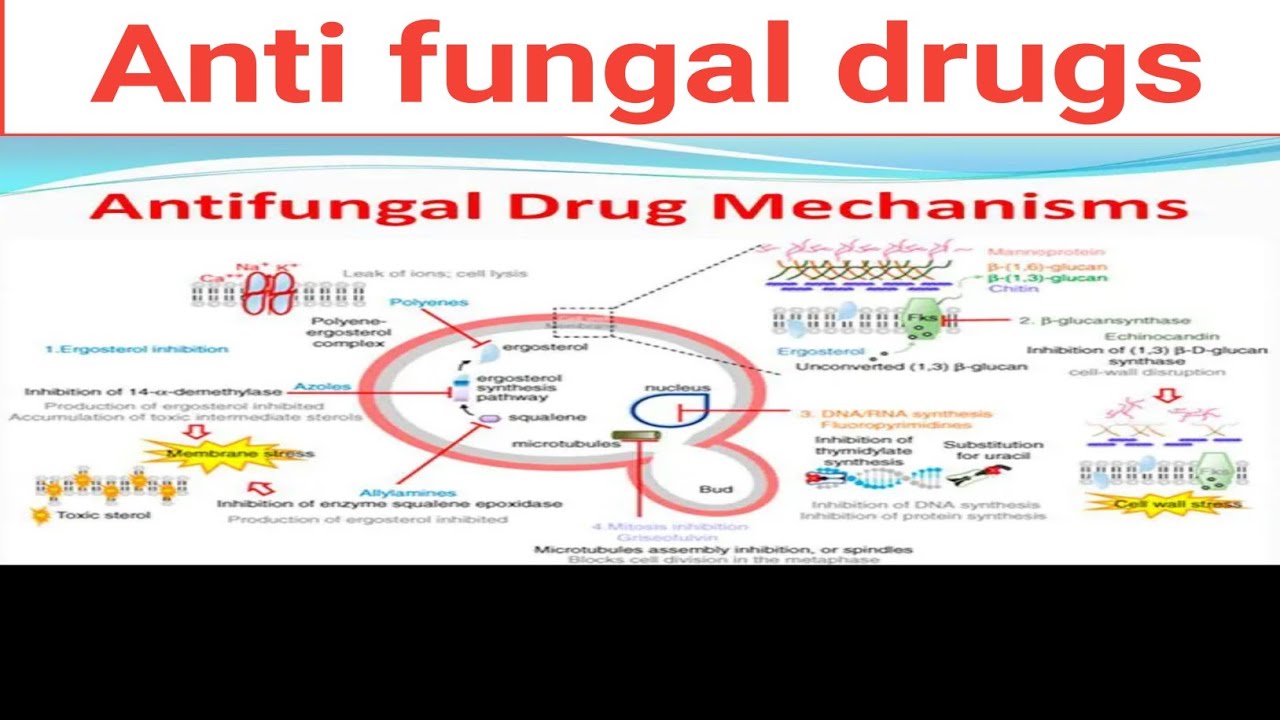
Antifungal drugs Pharmacology chapter:4 part:2 BSN third semester kmu slides in pashto #kmupdates
Keywords
Summary
141 words
Critical Evaluation
Value of the Information & Strength of the Argument
The video provides a systematic overview of antifungal drug classes, their mechanisms, clinical applications, and side effects, which is valuable for nursing students. The argumentation is based on standard pharmacological principles, though the presentation is not deeply analytical. The lecturer focuses on key points relevant to clinical practice, such as the selectivity of certain drugs and their tolerability profiles. However, the explanation is concise and lacks critical comparison or evidence-based reasoning.
Scientific Rigor, Source Quality, Title Accuracy
The scientific rigour is moderate; the presentation follows typical pharmacology course material without citing external references. The quality of sources is not applicable as no sources are mentioned. The title accurately reflects the content and target audience, aligning with the slides from KMU. The content appears consistent with common antifungal pharmacology knowledge, but the transcription gaps limit a thorough evaluation. The teaching method relies on slide reading, which may reduce engagement.
157 words
Title / Content Match
The title clearly indicates the topic (antifungal drugs, part 2, for BSN students) and matches the content.
Quality & Reliability
6/10
The video is a structured lecture based on KMU slides, but the transcript is degraded with many 'foreign' segments, limiting full verification. The concepts discussed (mechanisms, classes, clinical uses) are consistent with standard pharmacology knowledge.
Key Moments
Markers derived by PSI from the transcript: the creator did not define chapters.
- Introduction and opening remarks
- Overview of antifungal drug classes
- Mechanism of action: inhibition of fungal cytochrome P450 enzymes
- Discussion of specific drugs like itraconazole and fluconazole
- Clinical uses: dermatophytosis and systemic fungal infections
- Side effects and adverse reactions
- Nursing considerations and patient advice
- Comparison of antifungal agents
- Summary and concluding remarks
Contribution & Novelties
The video offers a condensed revision of antifungal pharmacology tailored to nursing students, summarizing key drug classes and their clinical relevance. It does not present original research but serves as an educational tool.
Pour aller plus loin :
- Antifungal drugs overview (Wikipedia) — Provides a comprehensive background on antifungal agents, complementing the lecture.
- Cytochrome P450 enzymes (Britannica) — Explains the enzyme system targeted by many antifungals, as mentioned in the video.
- Fluconazole (PubMed Health) — Details on one of the key drugs discussed, including its uses and side effects.
89 words
Radar Profile
The radar profile shows moderate scores across all dimensions, with quantity of information relatively higher than technical depth. This indicates a broad but shallow coverage, typical of introductory lectures.