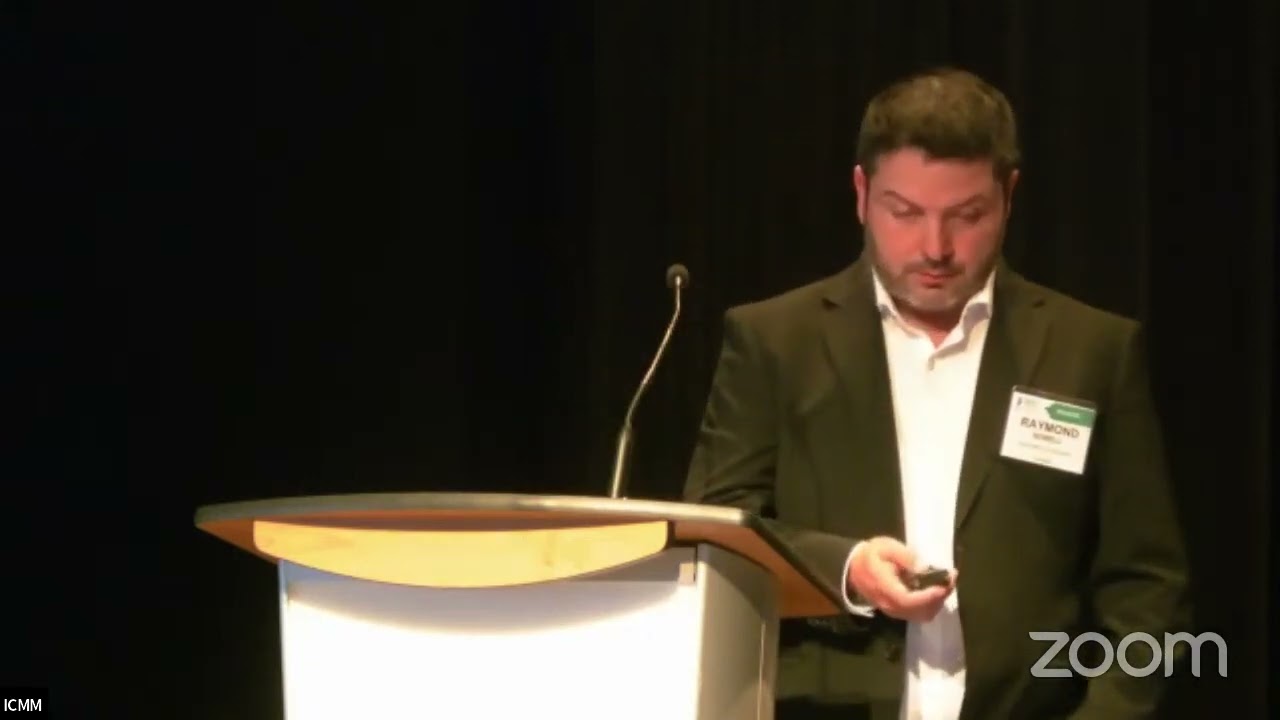
Mi’kmaq Connections with our Rivers, Lakes and Seas - Raymond Sewell, L'nu poet and songwriter
Keywords
Summary
184 words
Critical Evaluation
Value of the Information & Strength of the Argument
The talk provides valuable insights into Mi’kmaq cosmology, environmental ethics, and cultural resilience. Sewell’s personal stories and songs offer a unique perspective on the relationship between Indigenous peoples and water. His argumentation is compelling, grounded in lived experience and oral tradition, though it lacks systematic evidence or external references. He effectively illustrates the consequences of colonialism and industrial exploitation on Indigenous lands and livelihoods, making a strong case for the importance of preserving Indigenous knowledge and practices.
Scientific Rigor, Source Quality, Title Accuracy
The presentation is more narrative than scientific, with no formal citations or references provided. Sewell draws on his own family history, community stories, and mentions of other Indigenous thinkers and artists such as Natalie Diaz and Albert Marshall. He references concepts like Two-Eyed Seeing and bell hooks’ pedagogy, but without detailed sourcing. The title aligns well with the content, and the speaker maintains a coherent structure throughout. While the talk is authentic and insightful, it lacks the rigor expected of academic lectures in terms of verifiable sources.
179 words
Title / Content Match
The title accurately reflects the content, which focuses on Mi'kmaq relationships with water bodies.
Quality & Reliability
6/10
The speaker is a professor of Indigenous culture and literature, and the talk is rich in personal and cultural insights. However, the content is largely anecdotal and relies on oral tradition, with no empirical data or citations.
Key Moments
Markers derived by PSI from the transcript: the creator did not define chapters.
- Song of the whale and its cultural significance
- Water and consent: asking the river for permission and offering tobacco
- Importance of travel along rivers and connections to community
- Storytelling past and present: adaptation and modernization
- Opulence and accessibility: private property blocking access to medicines
- Impact of industry: logging, dams, and loss of sturgeon
- Cultural imaginings and erasure of Indigenous narratives
- Language status and revitalization efforts
- Two-Eyed Seeing and blending worldviews
Cited Sources
- Natalie Diaz — Mentioned as a Pulitzer Prize-winning poet who views water as part of her relationship with her spouse.
- Albert Marshall — Credited with the concept of Two-Eyed Seeing.
- bell hooks — Referenced for her transgressive pedagogy approach in the classroom.
Contribution & Novelties
Sewell offers a personal and poetic perspective on Mi’kmaq connections to water, blending songs, stories, and environmental concerns. His emphasis on consent, reciprocity, and the impact of industrial development on Indigenous access to resources provides a contemporary view of traditional knowledge. The talk contributes to discussions on reconciliation and cultural preservation.
Pour aller plus loin :
- Two-Eyed Seeing — A concept developed by Albert Marshall, blending Indigenous and Western worldviews.
- Mi’kmaq language — An Algonquian language with a rich oral tradition and ongoing revitalization efforts.
- Truth and Reconciliation Commission of Canada — A key body addressing the legacy of residential schools and promoting reconciliation.
104 words
Radar Profile
The radar profile shows a moderate quantity of information but low technical level, reflecting the cultural and narrative nature of the talk. Quality is fair, and reliability is moderate due to the anecdotal style.