Keynote 1: Ocean Literacy, Maritime History & the Heritage Gaze - Jerry Bannister, Dalhousie Univ
Keywords
Summary
142 words
Critical Evaluation
Value of the Information & Strength of the Argument
The talk provides a thoughtful and well-structured argument linking tourism, heritage, and decolonization. Bannister’s concept of the ‘heritage gaze’ as an alternative to the ’tourist gaze’ is insightful. He argues convincingly that decolonization requires changing perspectives and power structures, not just content. His examples, though limited, are relevant and illustrate his points effectively. The argument is cohesive, though some parts (like ocean literacy) are introduced but not deeply developed.
Scientific Rigor, Source Quality, Title Accuracy
Bannister references academic works (e.g., the anti-modernism framework from the 1990s) but does not provide specific citations. He mentions the Canadian Historical Association and the Marshall decision, but without full references. The title accurately represents the content. The talk is an expert opinion rather than a research presentation, so source rigor is moderate. No comments were provided for analysis.
143 words
Title / Content Match
The title accurately reflects the talk's focus on ocean literacy, maritime history, and the concept of the heritage gaze.
Quality & Reliability
7/10
The speaker is a professor and director of a marine affairs program, providing informed perspectives. However, the talk is largely opinion and conceptual framing rather than presenting new empirical data. References are general and not fully cited, and the content is a keynote speech aimed at an academic audience, with moderate rigor.
Key Moments
Markers derived by PSI from the transcript: the creator did not define chapters.
- Introduction and land acknowledgement; mention of treaty people and Marshall decision.
- Discussion of tourism and the tourist gaze; cruise ships and impact on museums.
- Introduction of anti-modernism in maritime history; the sea as timeless.
- Talk about decolonization as a process; three aspects: content, perspective, who.
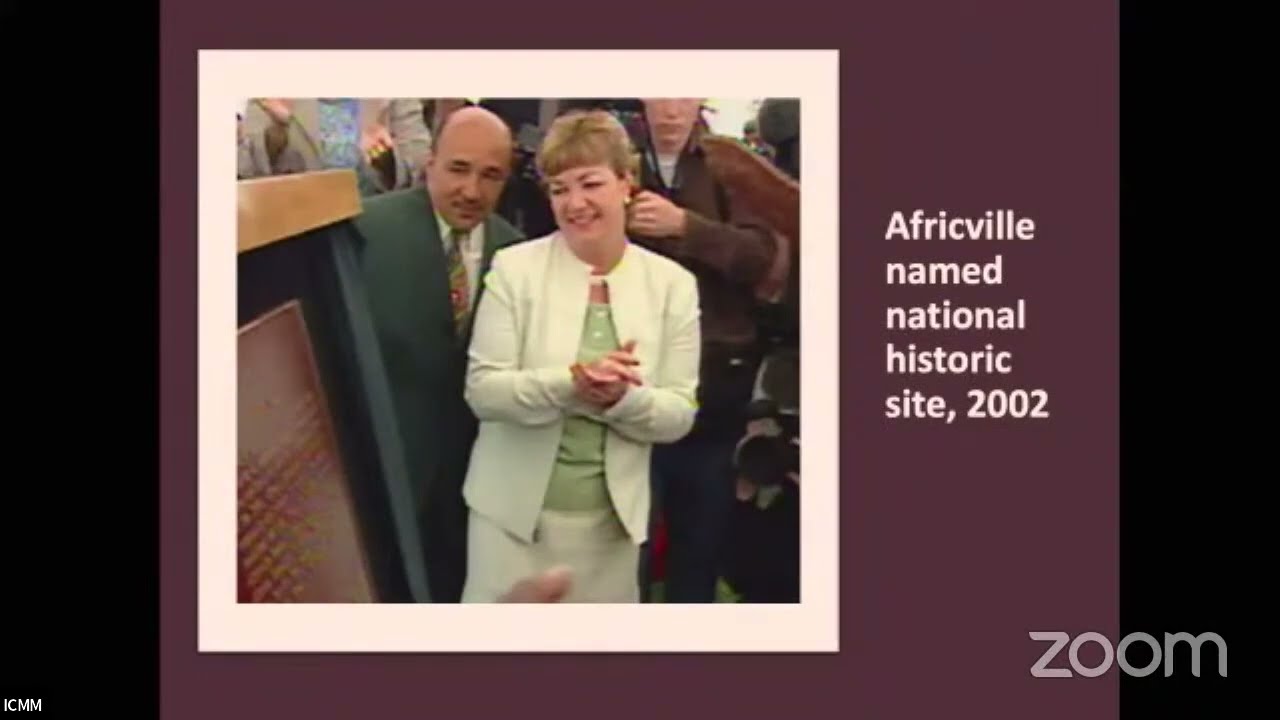
- Example of Africville; heritage as functional and political.
- Cornwallis statue controversy; new processes for decision-making.
- Indigenous Maritime Exhibit at the Maritime Museum of the Atlantic as a process example.
- Interdisciplinarity and ocean literacy; lack of historical perspective in ocean literacy.
Cited Sources
- USS Constitution? (not explicit) — No specific sources are mentioned in the description.
- No sources in description — The description provides no links beyond general conference information.
Concurring Sources
- Ocean Literacy — Relevant to the speaker's call for historical perspective in ocean literacy.
- Decolonization of museums — Supports the speaker's points on changing practices.
Dissenting Sources
- — No discordant sources are mentioned or known.
Contribution & Novelties
The talk offers a conceptual contribution by framing the ‘heritage gaze’ as a critical perspective for museums, distinct from the tourist gaze. It also connects maritime history with ocean literacy, arguing that ocean literacy lacks historical depth. The emphasis on decolonization as a process involving hiring practices and framing adds a practical dimension.
Pour aller plus loin :
- Ocean literacy — Overview of the concept and its development.
- Heritage gaze (concept) — Related to heritage interpretation.
- Decolonization of museums — Discussion of ongoing efforts.
84 words
Radar Profile
The radar profile likely shows high scores in quality of information and reliability, moderate in quantity and technical level, reflecting a thought-provoking but not data-heavy keynote.