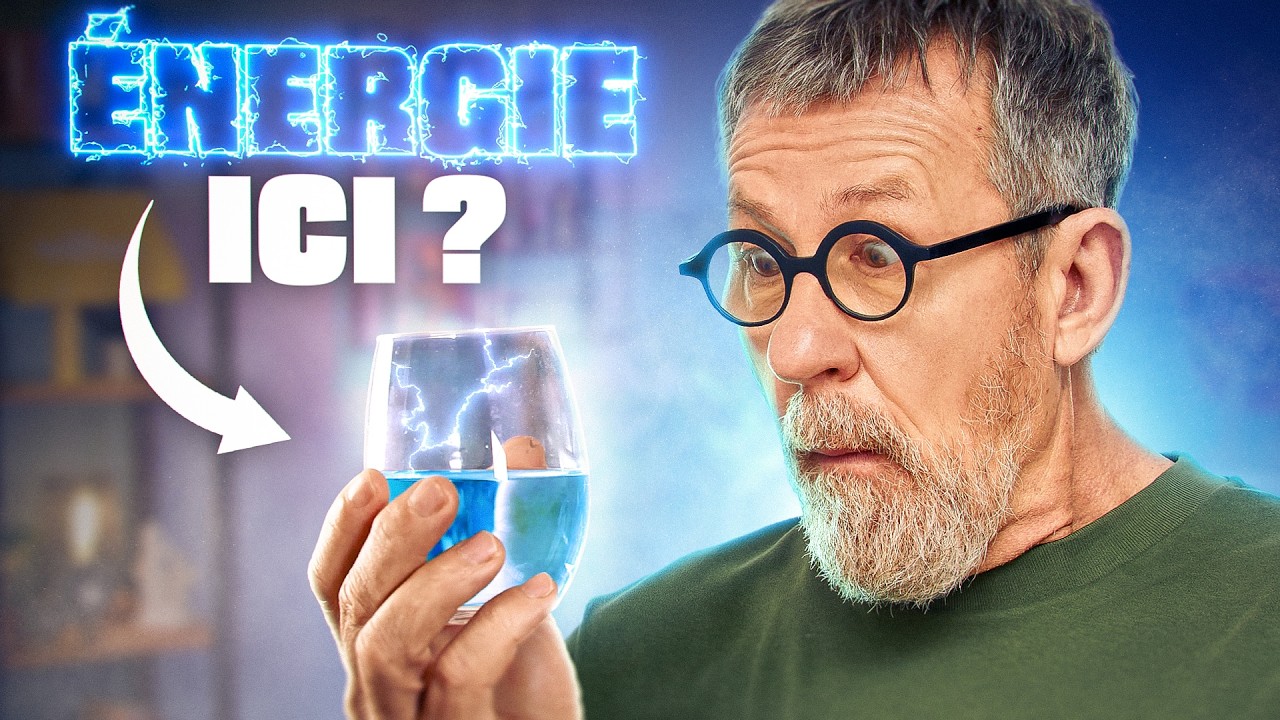
L'hydrogène : l'énergie du futur ?
Hydrogen: The energy of the future?
Keywords
Summary
217 words
Critical Evaluation
Value of the Information & Strength of the Argument
The video provides valuable information on hydrogen’s role in the energy transition, clearly explaining the different production methods and their environmental impacts. It uses a concrete example of a working electrolyzer and visits a testing facility to illustrate the technical challenges. The argumentation is logical and well-structured, moving from basic chemistry to industrial applications and infrastructure projects. However, the video is a sponsored collaboration with Natran, which gives it a promotional tone, especially when discussing the HY-FEN project. This bias limits its objectivity, but the scientific explanations remain accurate and accessible.
Scientific Rigor, Source Quality, Title Accuracy
The scientific rigor is good: the video uses accurate terminology and explains concepts like electrolysis and hydrogen embrittlement correctly. The sources are limited to the Natran website and the channel itself, but the content is consistent with current scientific knowledge about hydrogen. The title ‘L’hydrogène : l’énergie du futur ?’ is appropriate, as the video addresses the question directly. The video does not cite peer-reviewed studies, but it does reference ongoing European projects with specific details, which adds credibility. The presentation is professional, and the use of visuals and interviews enhances understanding. The main limitation is the lack of independent sources and the overt partnership with an industry player.
215 words
Title / Content Match
The title poses a question about hydrogen as future energy, and the video answers by covering production methods, colors, storage, and European infrastructure projects, so it is well matched.
Quality & Reliability
8/10
The video is well-produced by a known science communicator, Jamy Gourmaud, and explains hydrogen production, storage, and infrastructure with clear visuals and expert explanations. It is based on interviews with industry actors and visits to facilities, making it reliable for a general audience. However, it is a sponsored collaboration with Natran, which may introduce a promotional bias.
Chapters
- Intro
- Réduire les émissions de CO2
- Qu’est-ce que l’hydrogène ?
- Les différentes couleurs de l’hydrogène
- Produire de l’hydrogène
- Peut-on remplacer le charbon ?
- Stocker de l’électricité
- Du carburant de synthèse ?
- Le transport de l’hydrogène
- Les coûts
- Visite d’un centre de test
- Les travaux prévus en France et en Europe
Cited Sources
- Natran Group - Official Website — Mentioned in the description as the commercial partner and source for further information about hydrogen infrastructure projects.
External References
Contribution & Novelties
The video offers a clear, accessible overview of the hydrogen economy, with a focus on French and European infrastructure projects. While it doesn’t present original research, it effectively visualizes current technologies and plans. The demonstration of an electrolyzer and the testing facility provides practical insight rarely seen in mainstream media.
Pour aller plus loin :
- Hydrogen economy — Provides broader context on hydrogen’s role in energy systems.
- Electrolysis of water — Explains the chemical process behind green hydrogen production.
- Power-to-gas — Relates to converting electricity into gas, as mentioned in the video’s methanation segment.
- European Hydrogen Backbone — (No direct URL included, but relevant to the infrastructure discussion) — Offers detailed information on planned hydrogen pipelines in Europe.
118 words
Radar Profile
The radar profile shows high scores in quantity and quality of information, with slightly lower technical depth, reflecting a well-balanced educational documentary that is accessible to a general audience while still offering technical insights.