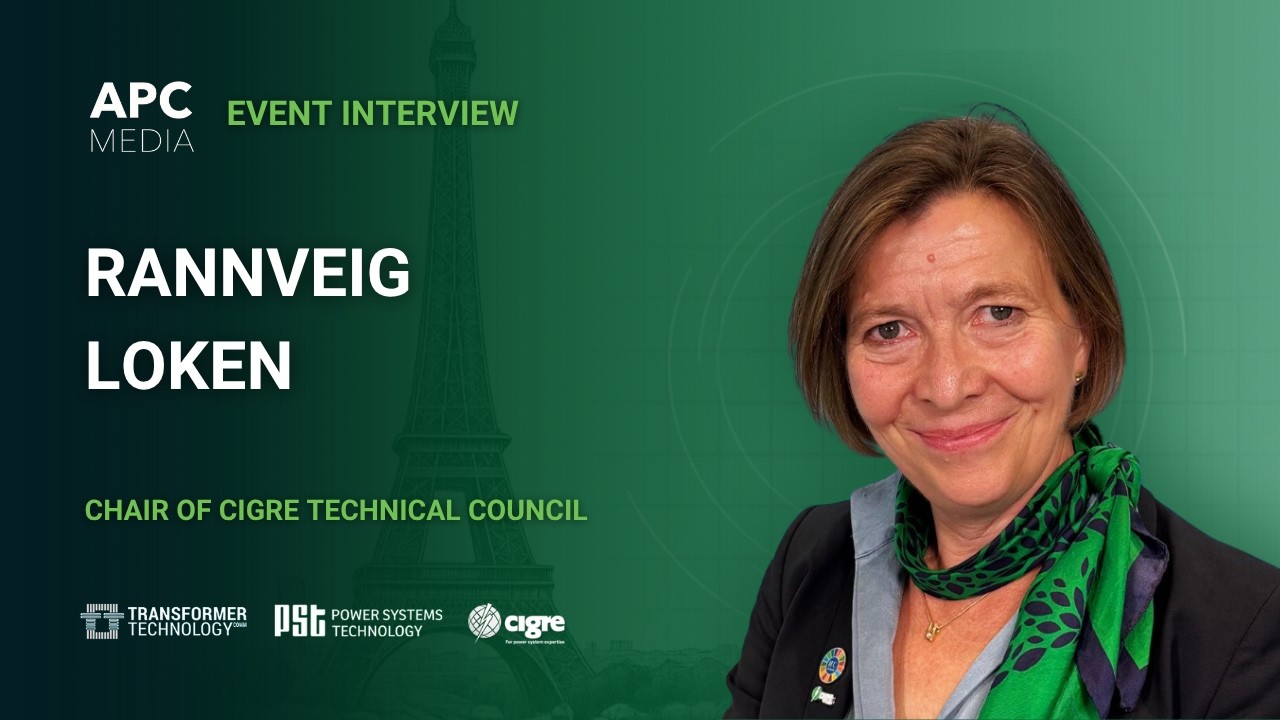
Power Systems Evolution: A Conversation with Rannveig Loken
Keywords
Summary
230 words
Critical Evaluation
Value of the Information & Strength of the Argument
The value of the information lies in its insider perspective on CIGRE’s operational structure, particularly the paper selection process and the technical council’s coordination with study committees. The argumentation is coherent and based on first-hand experience, though it remains at a descriptive level. Loken effectively conveys how CIGRE bridges utilities, vendors, and academia in an unbiased manner, exemplified by the AI/data center panel. The discussion on IEC/IEEE harmonisation is candid, acknowledging current joint efforts while stopping short of full standard unification. Overall, the content is informative for professionals in the power industry, but lacks technical depth or data-driven analysis.
Scientific Rigor, Source Quality, Title Accuracy
The video is a professional interview with a leading expert, ensuring factual accuracy about CIGRE’s procedures. No external sources are cited within the conversation, but the described processes are verifiable through CIGRE’s official channels. The title accurately reflects the content, which centres on the evolution of power systems as seen through CIGRE’s role. The quality is consistent with typical industry event interviews, though no additional documentation is provided to corroborate specific claims such as the 105 years or the exact number of study committees, which are well-known facts.
202 words
Title / Content Match
The title accurately reflects the conversation about power systems evolution and CIGRE's role, with a focus on the guest's perspective.
Quality & Reliability
7/10
The interview provides first-hand insights from the Chair of CIGRE's Technical Council, with accurate descriptions of CIGRE's processes. Reliability is high due to the expert source, though the content is procedural rather than deeply technical.
Chapters
- Introduction from Paris at CIGRE 2026
- What CIGRE Is and 105 Years of Knowledge Sharing
- Leading the Technical Council and 16 Study Committees
- National Committees and How CIGRE Really Works
- How to Submit a Paper and the Next Generation Network
- Staying Current After 100 Years With AI and Data Centers
- Women in Engineering and a One Vote Election Win
- IEC Standards, IEEE PES and Harmonization
- The Next 100 Years for CIGRE
Cited Sources
- Power Systems Technology Website — Official website of the publishing platform, offering resources on power systems technology.
- Power Systems Technology Newsletter — Subscription page for exclusive content and industry updates.
- Power Systems Technology LinkedIn Page — LinkedIn page for the channel, sharing updates and behind-the-scenes content.
- Transformer Technology LinkedIn Page — LinkedIn page for Transformer Technology, a related brand under the same publisher.
- Women in Power Systems LinkedIn Page — LinkedIn page for Women in Power Systems, highlighting initiatives for women in the industry.
Contribution & Novelties
The interview offers a practical look inside CIGRE’s operations, detailing how international technical coordination precedes standardisation. It highlights the paper submission pathway and the role of National Committees, which is rarely explained in such a direct manner. The discussion on aligning IEC and IEEE work through joint working groups is a useful update on current harmonisation efforts, grounded in the interviewee’s position.
Pour aller plus loin :
- CIGRE official website — Official site with details on study committees, publications, and events.
- CIGRE on Wikipedia — Overview of CIGRE’s history and structure.
- International Electrotechnical Commission (IEC) — Background on the standards body that founded CIGRE.
- IEEE Power & Energy Society — Relevant to the harmonisation discussion with IEEE.
117 words
Radar Profile
The scores show a balanced profile with moderate information quantity and technical level, but high reliability due to the expert source. The qualitative strength is in quality and reliability, while the annex highlights the need for more detailed technical content.