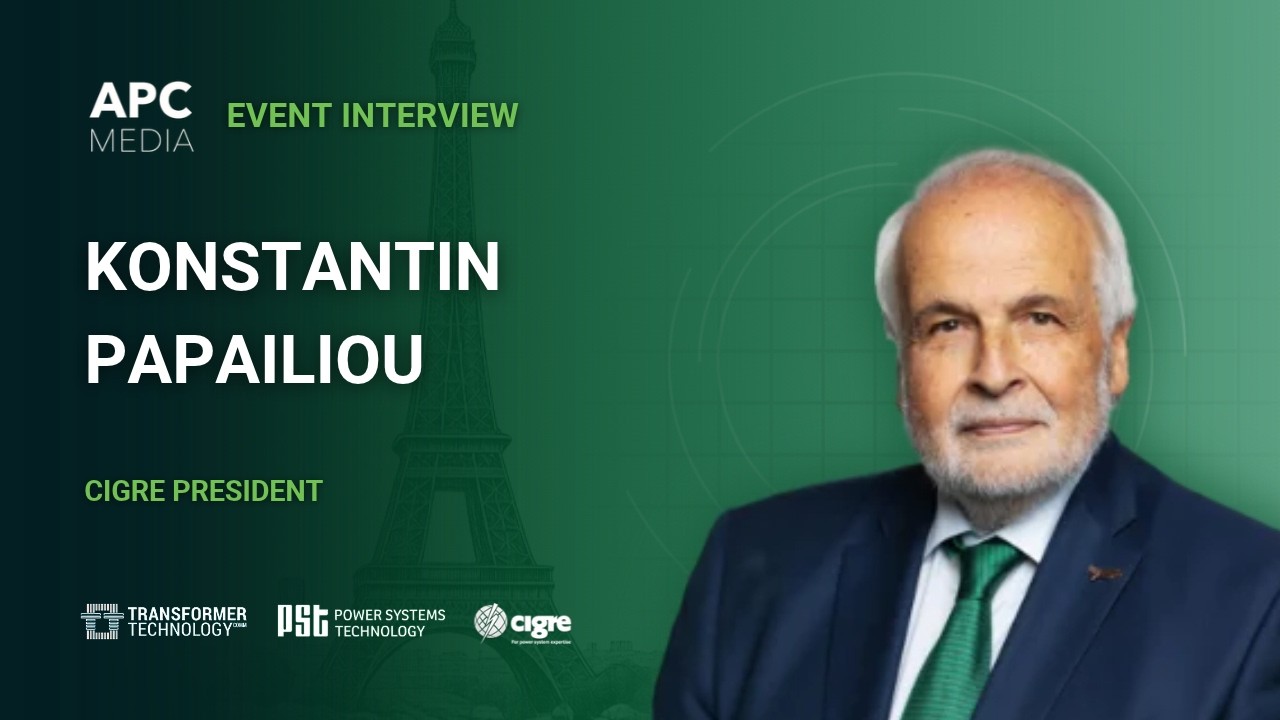
The Future of Power Grids, AI & the Energy Transition | Konstantin Papailiou, CIGRE President
Keywords
Summary
188 words
Critical Evaluation
Value of the Information & Strength of the Argument
The interview provides valuable firsthand insight from a leading expert on the state of the energy transition and the power sector. Papailiou’s arguments rely on his extensive industrial and institutional experience, arguing that cooperation and workforce development are the true bottlenecks. His call for self-control in AI energy consumption is a reasoned but personal stance, lacking quantitative evidence. The argumentation is coherent and persuasive, though not deeply analytic.
Scientific Rigor, Source Quality, Title Accuracy
The scientific rigor is limited by the interview format; no specific studies or references are cited, but the speaker’s authority and CIGRE’s institutional credibility lend weight. The quality of sources is high by virtue of the speaker’s role, but no external verification is provided. The title matches the content well, covering power grids, AI, and the energy transition, and the interview delivers on these topics.
148 words
Title / Content Match
The title accurately reflects the interview's focus on power grids, AI, and the energy transition, highlighting a prominent guest.
Quality & Reliability
8/10
Expert interview with a leading figure in power systems, providing credible insights but relying on personal opinions and generalities.
Chapters
Cited Sources
- Power Systems Technology — Official website of the channel and platform hosting the interview.
- Newsletter Subscription — Linked in the video description for updates and exclusive content.
- Power Systems Technology LinkedIn Page — Linked in the description for behind-the-scenes updates.
- Transformer Technology LinkedIn Page — Another LinkedIn page linked in the description.
- Women in Power Systems LinkedIn Page — Linked in the description as a resource.
Contribution & Novelties
This interview offers a unique perspective from the President of CIGRE, shedding light on current initiatives like the One Grid concept and the new Innovation and Education Fund. The key insight is the critical role of cooperation and skilled workforce in achieving the energy transition, which is often overshadowed by technological aspects. The discussion of AI’s energy footprint raises a timely, responsible-use angle.
Pour aller plus loin :
- CIGRE — Overview of CIGRE’s history and role in power systems.
- International Electrotechnical Commission — Founding body of CIGRE and key standards organization.
- Energy transition — Context on global energy shifts and challenges.
- Smart grid — Related concept for grid modernization and integration.
111 words
Radar Profile
The radar profile shows moderate information quantity and technical depth, with high reliability and quality scores. This suggests a credible, expert-led discussion that is accessible but not overly technical, balancing breadth and authority.