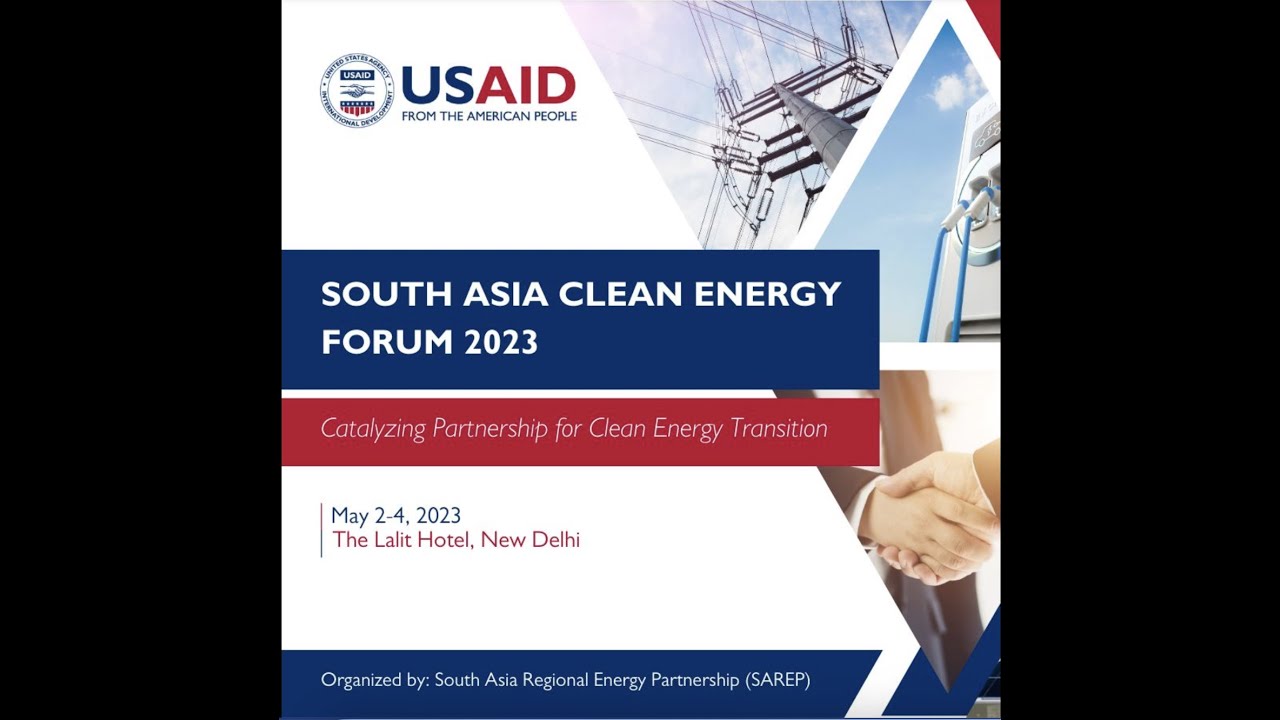
South Asia Clean Energy Forum (SACEF) 2023 - Partners Day Stream 2
Keywords
Summary
218 words
Critical Evaluation
Value of the Information & Strength of the Argument
The value of the information lies in the practical insights from a seasoned debt financier, highlighting the real-world barriers to financing clean energy for MSMEs. The argumentation is coherent, using analogies and concrete examples to illustrate the ‘water everywhere but no pipelines’ metaphor. The speaker presents a logical flow from identifying the problem (lack of pipelines) to proposing solutions (blended finance, incentives, partnerships). The discussion of the healthcare sector’s success with outcome-based financing strengthens the argument. However, the presentation is largely anecdotal, lacking quantitative evidence to support all claims, and the proposed solutions are not backed by empirical data.
Scientific Rigor, Source Quality, Title Accuracy
The speaker cites specific figures, such as the investment requirements for India ($25 billion for smart meters, $100 billion for energy efficiency, etc.) and for Nepal ($46 billion by 2030), but these numbers are presented without referencing original sources. The video description provides context about the forum but contains no links. The title accurately reflects the content, as the video is indeed a stream of the forum’s Partners Day. The presentation is structured and consistent with the session’s stated purpose. No external sources are cited, which limits the verifiability of the data. However, the speaker’s experience adds credibility, and the discussion is relevant to contemporary clean energy finance challenges.
223 words
Title / Content Match
The title accurately reflects the forum and stream, which focuses on clean energy financing and partnerships.
Quality & Reliability
6/10
The content provides practical insights and data from experienced practitioners in clean energy financing for SMEs, but it relies on anecdotal evidence and lacks rigorous scientific verification. The figures cited (e.g., investment requirements) are specific but not independently sourced.
Key Moments
Markers derived by PSI from the transcript: the creator did not define chapters.
- Welcome and opening remarks by Namrata Mukherjee introducing the session on NBFC perspective on financing clean energy projects.
- Introduction of the three speakers: Abhishek Gupta (Caspian Debt), Swati Bharadwaj (Tata Cleantech Capital), and Ram Krishna Khatiwada (NIFRA Bank).
- Abhishek Gupta begins his presentation on challenges and opportunities for financing clean energy transition of MSMEs.
- Gupta discusses the 'healthy food versus painkillers' analogy, explaining why MSMEs are reluctant to adopt energy-efficient solutions.
- Gupta emphasizes the need for blending debt, equity, and grants, and mentions the climate smart debt fund being developed with SAREP.
- Q&A session begins; first question from Neha on why large equity investments scare away debt, and Gupta responds.
Contribution & Novelties
The video provides an expert practitioner’s perspective on the practical barriers and potential solutions for financing clean energy among MSMEs in South Asia. It highlights the mismatch between large capital availability and the lack of viable pipelines, and proposes concrete mechanisms like credit-enhanced funds, risk guarantees, and incentive-based financing. The discussion contributes to the ongoing discourse on blended finance and how to mobilize domestic soft capital.
Pour aller plus loin :
- Blended Finance - World Economic Forum — Overview of blended finance as a strategy to mobilize private capital for development.
- MSME Financing in India - RBI — Report on MSME financing challenges in India.
- Clean Energy Transition - International Energy Agency — IEA resources on clean energy transitions and investment needs.
122 words
Radar Profile
The radar profile shows balanced scores across all dimensions, with slightly higher values for information quality and technical level, indicating a substantive yet accessible discussion. The overall reliability is moderate, reflecting the anecdotal nature of the content.