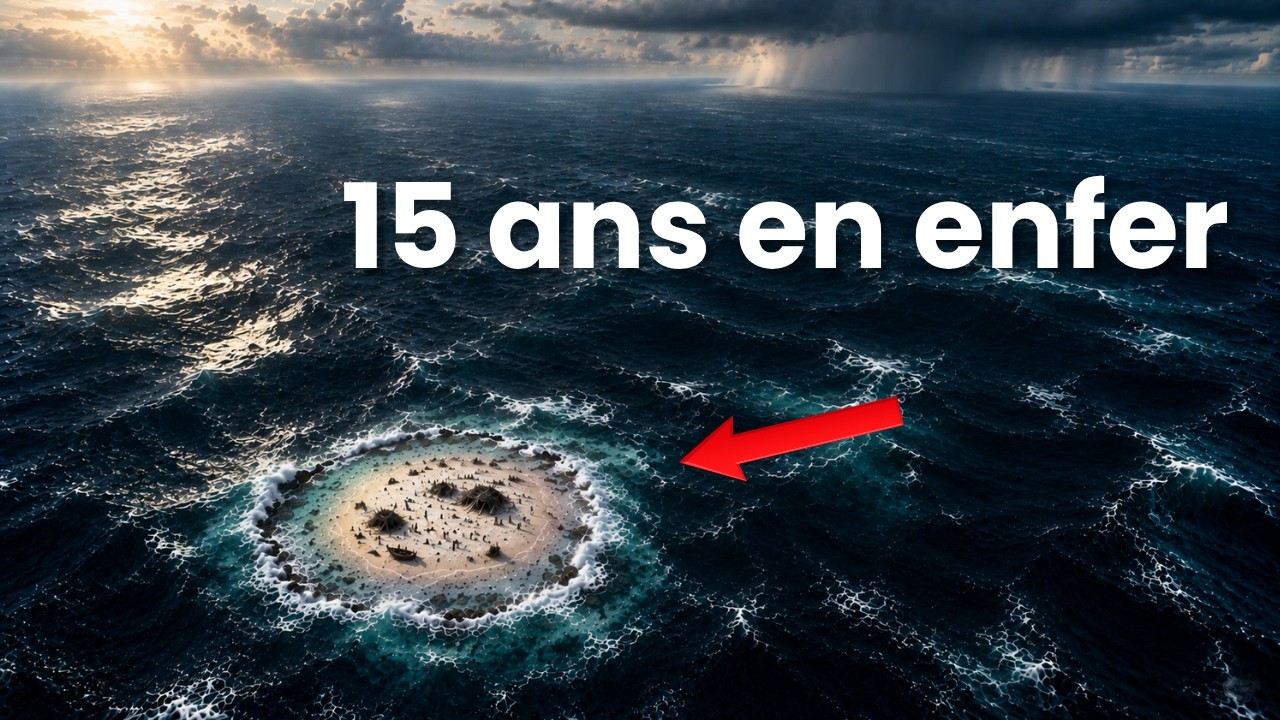
Le terrible destin des naufragés de l’île Tromelin
The Terrible Fate of the Tromelin Island Castaways
Keywords
Summary
151 words
Critical Evaluation
Value of the Information & Strength of the Argument
The video provides significant historical detail, weaving together narrative and archaeological evidence. The argumentation is solid, using specific dates, actions, and sources. The inclusion of personal footage from the island adds a unique perspective. The explanation of survival strategies is well-developed, showing the ingenuity of the castaways. The video also effectively connects historical events to broader themes of slavery and environmental issues.
Scientific Rigor, Source Quality, Title Accuracy
The video demonstrates rigorous sourcing with references to books by Max Guerout, Thomas Romon, Alain Gérard, and Bernard Thomazeau, as well as official INRAP and MNHN links. The narrative is consistent with established historical records. The title accurately reflects the content, which focuses on the tragedy and resilience of the shipwrecked people. While the video is not peer-reviewed, it draws on credible archaeological and historical research.
143 words
Title / Content Match
The title accurately reflects the content, focusing on the tragic history of the castaways on Tromelin Island.
Quality & Reliability
8/10
The video presents a well-researched historical account based on archaeological findings and multiple academic sources, with clear references in the description. The narrative is coherent and supported by field footage from the island, enhancing credibility.
Chapters
Cited Sources
- TAAF official site — Official information about French Southern and Antarctic Lands, providing context about Tromelin Island.
- INRAP - L'abandon des esclaves — Archaeological information on the abandonment of slaves on Tromelin.
- MNHN - Les esclaves oubliés de l'île de Tromelin — Museum of Natural History article about the forgotten slaves of Tromelin.
- Radio France - Naufrages, une histoire vraie — Podcast episode on the shipwreck, providing additional narrative.
Concurring Sources
- INRAP - Tromelin excavations — Inrap's dedicated page on archaeological missions to Tromelin, confirming the findings mentioned.
Contribution & Novelties
The video offers a fresh perspective by combining historical narrative with archaeological findings and first-hand footage from the island. It highlights the resilience and cultural adaptation of the Malagasy castaways, emphasizing their innovative survival techniques. The documentary also draws parallels with modern environmental issues, such as plastic pollution, on remote islands.
Pour aller plus loin :
- Tromelin Island — Overview of the island’s geography and history.
- L’Utile — Details about the ship and its historical significance.
- Abolitionism — Context of the anti-slavery movement in France and its link to this incident.
91 words
Radar Profile
The radar profile shows high scores in quantity, quality, and reliability, with a moderate technical level. This indicates a well-documented narrative that is accessible to a general audience while maintaining scientific rigor.