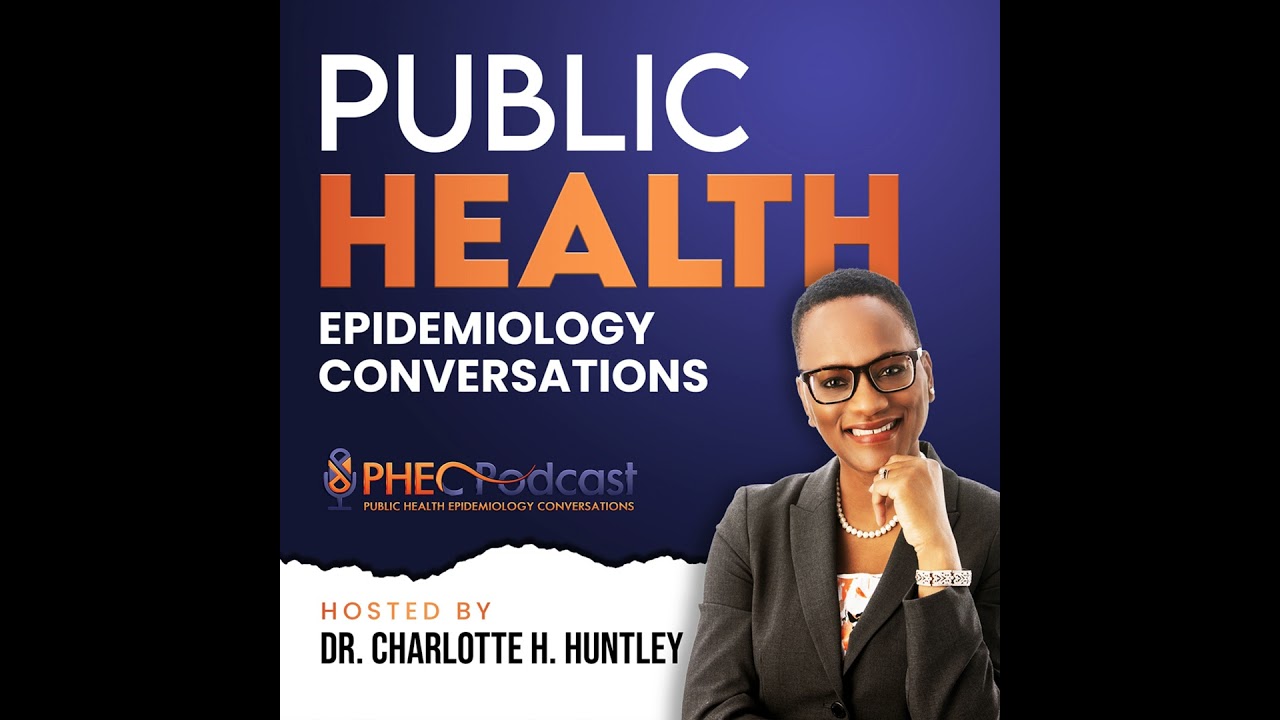
PHEC 477: The Public Health Utility Belt, With Brian Castrucci, DrPH
Keywords
Summary
173 words
Critical Evaluation
Value of the Information & Strength of the Argument
The value of this conversation lies in its actionable insights for public health practitioners and students. Castrucci effectively argues that durable skills are more valuable than specific content knowledge, using his own career as evidence. He provides concrete examples, such as learning SAS and GIS, to illustrate how these skills enable adaptability across different public health issues. His argument for a strong public health workforce is well-substantiated with data from the PHWINS survey, which he contrasts with previous departmental surveys to highlight the power of standardized data collection. The discussion on policy versus pills is compelling, framing policies as a more universal intervention than clinical care. The reasoning is logical and grounded in years of practice, though it remains opinion-based rather than empirically tested. The argumentation is coherent and persuasive, particularly in its call for better communication and partnership to rebuild trust.
Scientific Rigor, Source Quality, Title Accuracy
The scientific rigor is moderate; the episode is an interview, not a formal research presentation. However, the guest is a recognized leader in public health, and the discussion references credible work, including the de Beaumont Foundation’s public health workforce surveys and programs. The quality of sources is high, as the de Beaumont Foundation is a respected philanthropic organization in public health. The title accurately captures the central metaphor of the ‘utility belt’ and reflects the episode’s focus on career skills. The description provides resources (podcast community, show notes, consulting) but does not include direct citations to scientific literature; however, the content is consistent with broader public health workforce literature. Overall, the information is reliable for practice-oriented advice, though not as rigorously sourced as a peer-reviewed article.
283 words
Title / Content Match
The title accurately reflects the central metaphor discussed: the 'public health utility belt' of durable skills that carry a career forward.
Quality & Reliability
8/10
The podcast features an authoritative guest with extensive experience in public health leadership, providing informed opinions and career advice. While grounded in practical experience rather than original research, the content aligns with established public health workforce development literature.
Key Moments
Markers derived by PSI from the transcript: the creator did not define chapters.
- Introduction of Dr. Brian Castrucci and his role at the de Beaumont Foundation.
- Story about discovering public health through a seminar on gun violence.
- Discussion of the 'Batman utility belt' metaphor for durable skills.
- Explanation of the Public Health Workforce Interest and Need Survey (PHWINS).
- Advocacy for policy over individual clinical interventions.
- Importance of cross-sector partnerships and building community health.
- Reflections on rebuilding public trust post-COVID and addressing misinformation.
Cited Sources
- PHEC Podcast Community — Community link for the podcast
- PHEC Podcast Show Notes — Show notes and additional resources
- DrCHHuntley Consulting — Consulting services offered by Dr. Huntley
Contribution & Novelties
This episode adds value by reframing public health career development through the lens of durable, transferable skills rather than specific topic knowledge. Castrucci’s personal anecdotes and experiences provide a relatable narrative that underscores the importance of adaptability and continuous learning. The introduction of PHWINS as a large-scale workforce survey highlights a unique data resource for the field. The discussion on policy as a public health intervention presents a compelling perspective that could shift how practitioners view their roles.
Pour aller plus loin :
- Public health — Foundational concept, relevant to the broader context of the conversation.
- Workforce development — Directly relates to the core theme of building durable skills and workforce capacity.
- Health policy — Supports the discussion on policy’s role in improving population health.
125 words
Radar Profile
The radar profile shows a balanced assessment with high scores on information quantity and quality, reflecting the well-structured conversation and expert insights. The technical level is moderate, suitable for a broad audience, while reliability is high due to the guest's credentials. The lower score on technical depth suggests the content is more practice-oriented than research-heavy, which aligns with the podcast's educational purpose.