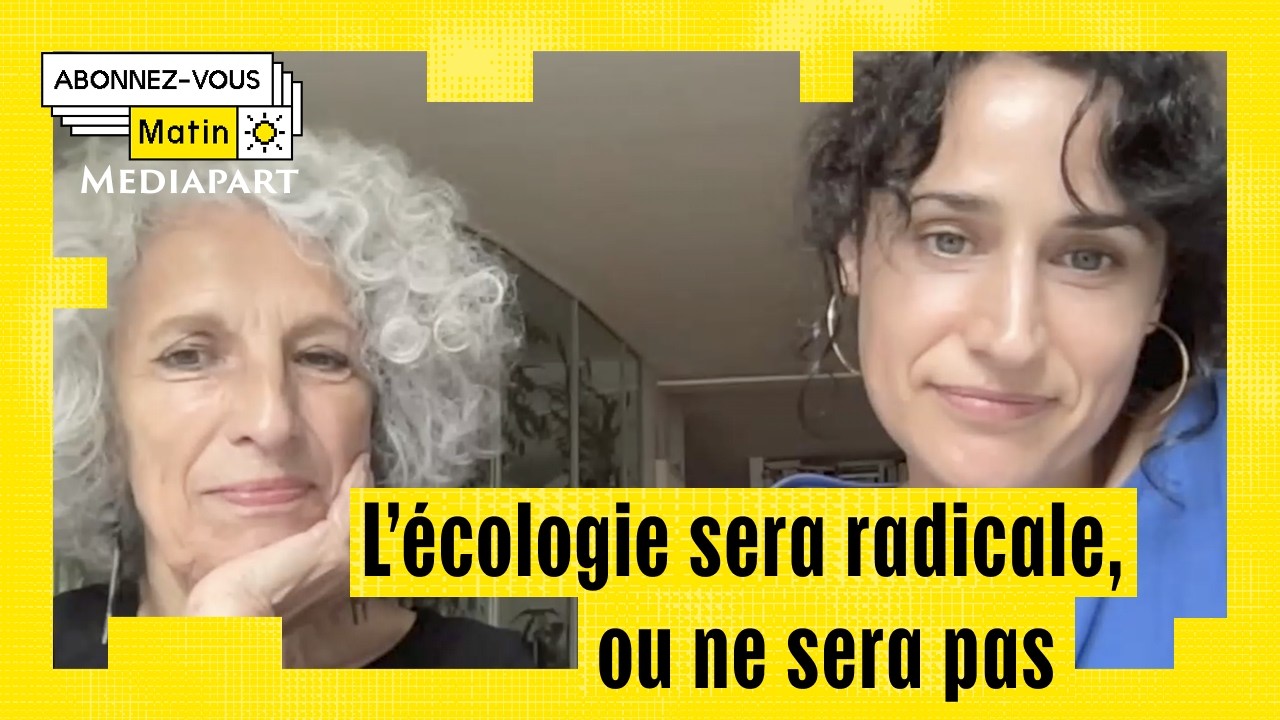
Revue Terrestres : l'écologie sera radicale, ou ne sera pas
Terrestres Review: ecology will be radical, or it will not be
Keywords
Summary
152 words
Critical Evaluation
Value of the Information & Strength of the Argument
The video offers valuable insights into the intellectual and activist foundation of a radical ecology journal. The guests articulate clearly the difference between reformist environmentalism and radical ecologies, emphasizing the need to address systemic causes rather than symptoms. The argumentation is coherent and persuasive, grounded in their academic backgrounds and real-world activism. The discussion is enriched by references to concrete events (Gilets Jaunes, sabotage debates) and the journal’s editorial choices, which support the claim that radical ecology is both necessary and urgent. However, the presentation is naturally one-sided, as it is the journal’s own perspective, with limited critical challenge to their positions.
Scientific Rigor, Source Quality, Title Accuracy
The journal Terrestres is presented as a rigorous publication, with contributions from researchers and journalists, and a strong editorial process to ensure accessibility. The guests mention that the journal is open-access and funded by grants, but no specific external sources are cited in the video. The title is apt, as the entire discussion revolves around the radical ecology stance of the journal. The description provides links to subscribe or donate to Mediapart, which are not sources but support channels. No comments were provided for analysis.
202 words
Title / Content Match
The title accurately reflects the content, which focuses on the radical ecology perspective of the journal Terrestres, as discussed by its editors.
Quality & Reliability
7/10
The guests are recognized experts (economist, anthropologist) presenting their own journal's mission and practice. The discussion is informative but primarily self-referential, with limited external verification. The journal's open-access and radical positioning are clearly explained.