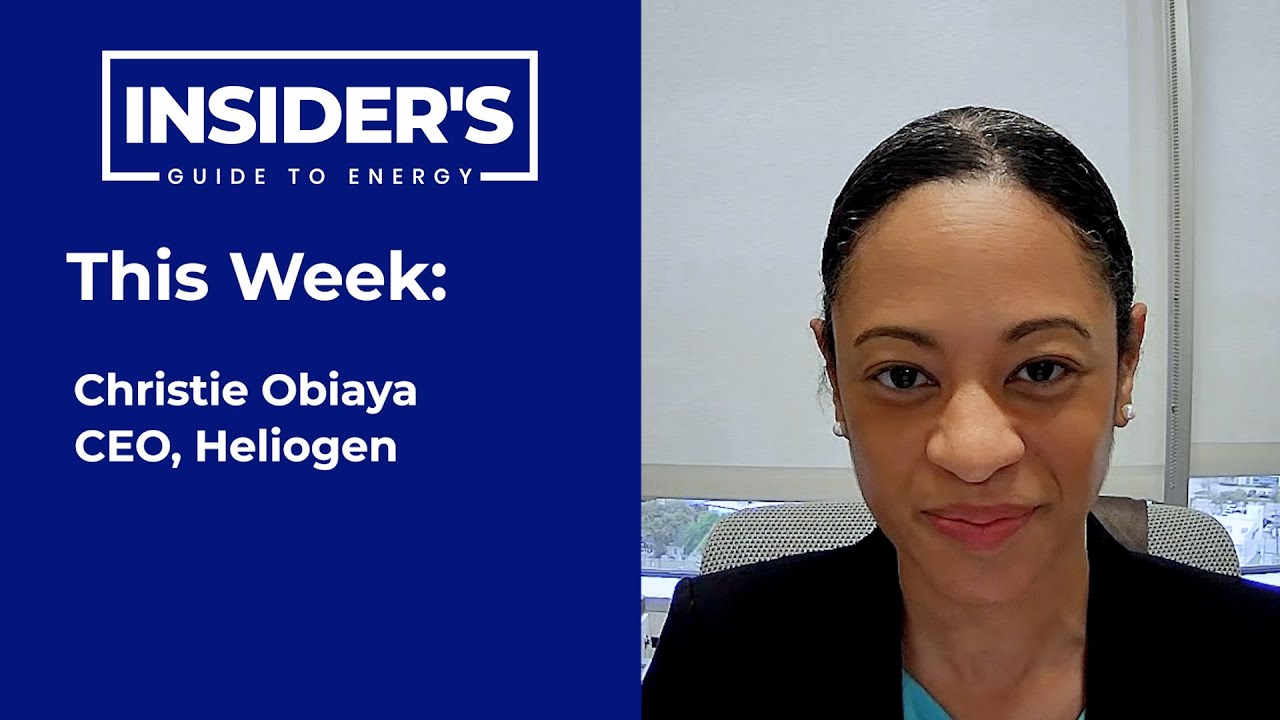
166 Unlocking the Power of Thermal Energy Storage: A Deep Dive into CSP and Long-Duration Solutions
Keywords
Summary
152 words
Critical Evaluation
Value of the Information & Strength of the Argument
VALUE OF INFORMATION: The video provides a detailed insider perspective on CSP and thermal storage, offering specific technical details (e.g., temperature ranges, cost targets of 5 cents/kWh, modularity) and market insights (e.g., why previous CSP projects failed, current global demand). It clearly explains the benefits of combining CSP with PV and thermal storage for long-duration needs. The argumentation is coherent and grounded in the speaker’s professional experience at Heliogen and former roles at Bechtel. However, it is promotional in nature, presenting the company’s technology favourably without critical assessment of potential drawbacks or independent comparisons. SOLIDITY OF ARGUMENTATION: The reasoning is logical and uses relevant examples (e.g., grid constraints, industrial locations), but relies heavily on unverified claims and optimistic projections. The lack of cost breakdowns or third-party data reduces the strength of the rationale.
Scientific Rigor, Source Quality, Title Accuracy
SCIENTIFIC RIGOUR: The video does not provide formal references, citations, or academic sources. It relies on the speaker’s expertise and anecdotal evidence. The claims about CSP’s cost-effectiveness and market potential are not backed by quantitative data from independent studies. QUALITY OF SOURCES: The only sources referenced are the company itself (Heliogen) and policy instruments like the Inflation Reduction Act, but no URLs or detailed reports are provided. ADEQUATION TITRE/CONTENU: The title perfectly matches the content, which is a comprehensive discussion of thermal storage and CSP. The podcast format allows for deep dive but the promotional tone slightly detracts from scientific objectivity.
249 words
Title / Content Match
The title accurately reflects the content, as the episode explores thermal energy storage, CSP, and long-duration solutions in depth.
Quality & Reliability
7/10
The interview features a CEO of Heliogen, a company in the CSP sector, providing expert opinion and company perspective. While the information is credible and detailed, it carries promotional bias and lacks independent verification. No external sources are cited beyond company claims.
Key Moments
Markers derived by PSI from the transcript: the creator did not define chapters.
- Discussion on why CSP originally fell out of favor, citing execution risk and commercial incentives.
- Explanation of temperature ranges (100–600°C) and next-generation storage with bauxite particles exceeding 1000°C.
- Geographic constraints and total addressable market, including mining and manufacturing regions.
- Early target areas: US Southwest, Australia, Chile, and Mexico partnerships.
- Definition of long-duration storage (10 hours+) and how CSP uses mirrors and towers with molten salt or bauxite.
- Cost metrics: LCOE comparison, off-grid diesel case, and target of 5 cents/kWh.
- Personal journey from chemical engineering to renewable energy, advice to students.
Contribution & Novelties
The video contributes an executive perspective on the potential of thermal energy storage combined with CSP, emphasizing technological advances (AI-controlled heliostats, bauxite particle storage) and market opportunities. It argues that the underutilization of CSP is due to outdated perceptions, and highlights the importance of policy support like the IRA. It also provides a personal narrative that underscores multidisciplinary expertise.
Pour aller plus loin :
- Concentrated solar power — Overview of CSP technology and history.
- Thermal energy storage — Concepts and applications of thermal storage.
- Inflation Reduction Act — US policy that provides incentives for clean energy, crucial for CSP deployment.
100 words
Radar Profile
The profile shows a high quantity of information and good quality, but moderate technical depth and lower reliability due to promotional bias. The scores suggest the video is informative and accessible, yet not fully unbiased or independently verified.