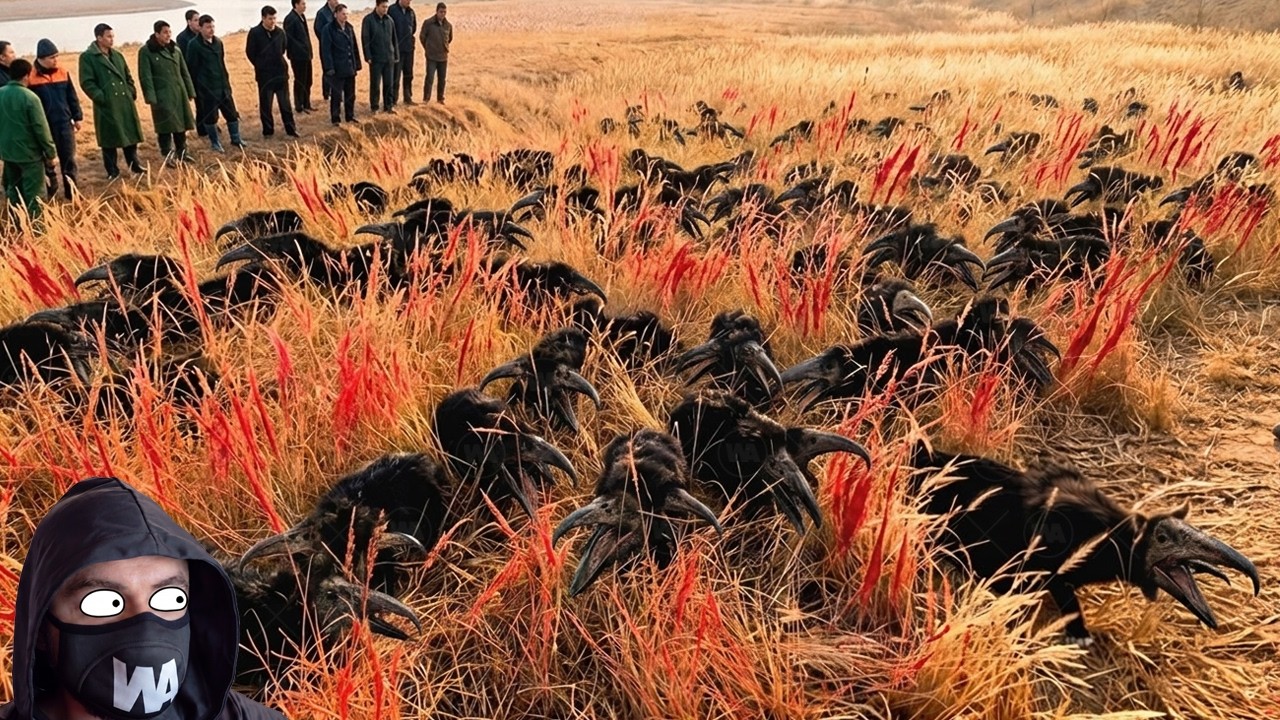
Israel Released Hungry Predators Into Fields Overrun With Crop-Eating Rodents. Then This Happened
Title history
- Israel Released Hungry Predators Into Fields Overrun With Crop-Eating Rodents. Then This Happened — observed on 20261031-2319 UTC (YouTube)
Keywords
Summary
119 words
Critical Evaluation
Value of the Information & Strength of the Argument
The video provides valuable information about a real-world application of biological pest control, offering a compelling success story with concrete data (e.g., 5,000 nesting boxes, 45% reduction in rodenticide use). The argumentation is narrative and persuasive, walking through historical failures and gradual success. It effectively demonstrates the ecological and economic benefits of using barn owls, supporting its claims with examples of specific incidents and trends. The main weakness is the lack of direct citations or interviews, making it hard to independently verify the numbers and details presented, but the overall reasoning is coherent and scientifically grounded.
Scientific Rigor, Source Quality, Title Accuracy
The video maintains a clear narrative structure but does not provide inline references or links to scientific studies. It mentions institutions like the Israel Nature and Parks Authority and cites specific dates and figures, which lend an air of authenticity, but these are not substantiated with accessible sources. The title is attention-grabbing and aligns with the content, accurately pointing to the introduction of predators to control rodents. The lack of explicit sourcing reduces the overall rigor, though the content appears consistent with known ecological principles and documented examples of biological control.
202 words
Title / Content Match
The title is catchy and accurately reflects the content about using predators to control rodents in Israel, though the 'Then This Happened' phrasing is a clickbait element.
Quality & Reliability
7/10
The video presents a detailed, plausible account of biological pest control in Israel, but lacks explicit citations and relies on a single narrative source. The information appears well-researched and consistent with known ecological principles, yet verification is limited to the narrator's claims.
Key Moments
Markers derived by PSI from the transcript: the creator did not define chapters.
- Introduction: Israel places wooden boxes in fields to attract predators; farmers stop poisoning rodents.
- Description of voles: size, tunneling, and the damage they cause to crops.
- Historical use of thallium sulfate and its unintended lethal effects on birds of prey.
- First failed barn owl trials due to poisoning and human interference; second attempt also fails.
- Successful adoption of barn owls at Sde Eliyahu organic farm; significant drop in vole damage.
- Addition of kestrels for daytime hunting; nesting box competition and adoption of a kestrel chick.
- Nationwide expansion to 5,000+ boxes by 2024; 45% reduction in rodenticide use; cooperation with Jordan and Palestine.
Contribution & Novelties
The video’s original contribution lies in synthesizing a decades-long case study of biological pest control into an accessible narrative, highlighting the shift from chemical to predator-based methods and its ecological and economic benefits. It integrates specific data about nest box numbers and rodenticide reductions, offering a tangible example of sustainable agriculture.
Pour aller plus loin :
- Barn owl — Key predator species featured; explains its hunting adaptations and ecological role.
- Vole — The primary rodent pest; provides background on its biology and impact on crops.
- Biological pest control — Broader context of using natural enemies to manage pests, with examples and principles.
102 words
Radar Profile
The radar profile shows high information quantity (9) and moderate quality (7), indicating a dense but not fully substantiated presentation. Technical level is moderate (6), making it accessible to a general audience. Global reliability (7) reflects a generally trustworthy account despite the absence of explicit citations.
💬 Very negative: Overwhelmingly, the 30 comments analyzed focus on political criticism of Israel, with many expressing distrust and accusations of genocide, which overshadows the biological content. The discussion is dominated by the Israeli-Palestinian conflict rather than the owl-based pest control story.