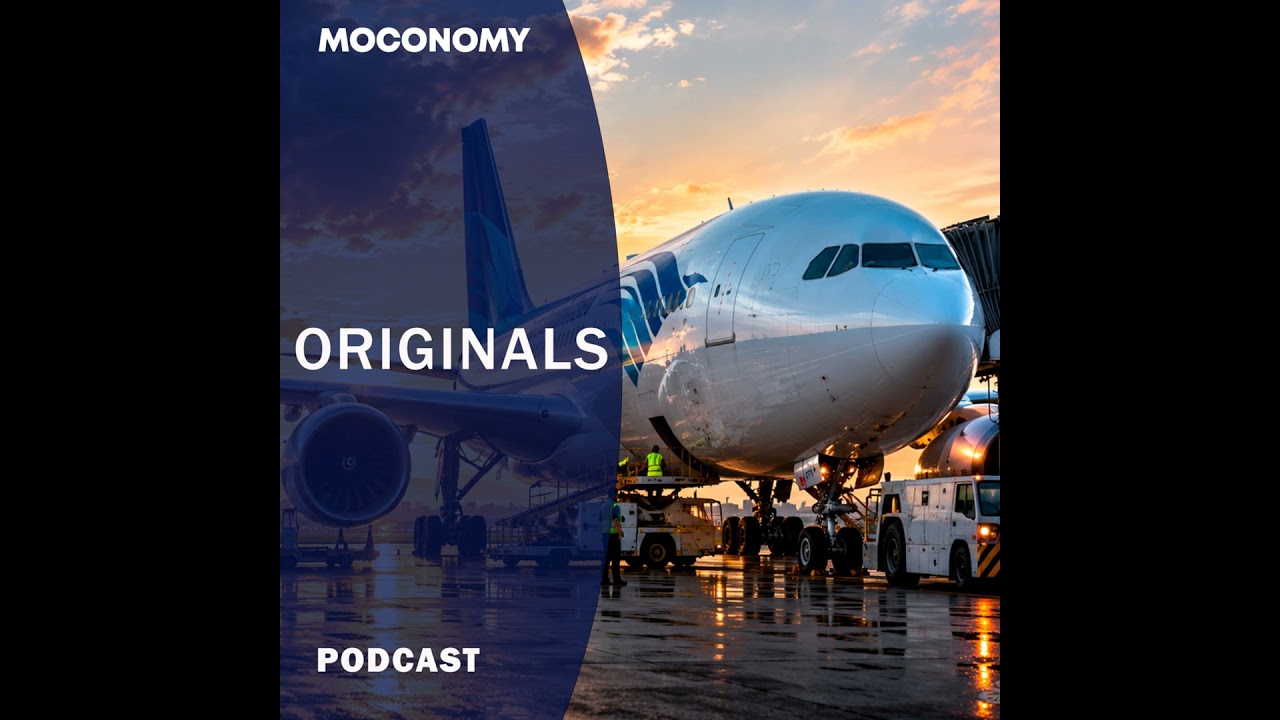
Garuda Indonesia: Back From the Brink | How a National Airline Survived Collapse
Keywords
Summary
154 words
Critical Evaluation
Value of the Information & Strength of the Argument
The video provides valuable insight into the complex factors behind a corporate turnaround, including the interplay of political pressure, financial engineering, and brand perception. The argumentation is solidly structured, presenting a chronological cause-and-effect narrative supported by interviews with former executives, consultants, and passengers. However, the perspective is largely from management and sympathetic figures, and the film does not critically examine potential failures or opposing viewpoints. The reliance on anecdotal evidence and selective testimony weakens the overall argument, yet the core story is coherent and convincingly told.
Scientific Rigor, Source Quality, Title Accuracy
The documentary does not cite academic or third-party sources, relying primarily on first-hand accounts and historical records. The production quality is high, with clear archival footage and well-edited interviews. The title accurately matches the content, with no sensationalism or exaggeration. The associated links in the description point to other Moconomy documentaries, which are likely similar in style and depth. While the film does not meet academic rigor, it appears factually grounded in publicly known events. The absence of citations from independent sources is a weakness, but the narrative is internally consistent.
192 words
Title / Content Match
The title accurately reflects the content: the video details Garuda Indonesia's journey from near bankruptcy to recovery and five-star rating.
Quality & Reliability
7/10
The documentary uses interviews with former executives, financial consultants, and historical records, presenting a coherent narrative. However, it is a commercial production with a persuasive tone and lacks academic citations, relying on anecdotal accounts and a limited set of expert opinions.
Key Moments
Markers derived by PSI from the transcript: the creator did not define chapters.
- Carrier crash of Garuda Flight GA152 and its aftermath: poor crisis management, plummeting demand, and financial losses.
- Emir Sha Sata appointed finance director; discovers cash shortage of only $20M against $60M monthly expenses; begins drastic cost-cutting and debt restructuring.
- 2002 Bali bombing and its impact on passenger numbers; also the murder of human rights activist Munir on a Garuda flight, causing a major scandal.
- EU ban on Garuda due to safety record; 2007 crash of Flight GA200; management tries to convince creditors to restructure debt, with government support.
- Path to privatization: roadshows to European creditors, new fleet, and improved service leading to a five-star rating by 2014.
Cited Sources
- The World According to Amazon | How Amazon Became More Powerful Than Governments — Related documentary from the same channel, mentioned in the video description.
- Generation Startup | Building a Billion-Dollar Dream — Related documentary from the same channel, mentioned in the video description.
- Inside Anthropic: The $965 Billion AI Titan | Claude, AI Safety and Superintelligence | 4K — Related documentary from the same channel, mentioned in the video description.
Concurring Sources
- Garuda Indonesia - Wikipedia — General historical context of the airline's performance and ownership.
Contribution & Novelties
The documentary offers an in-depth, narrative-driven account of a national airline’s turnaround, highlighting operational and financial strategies rarely covered in standard business media. It provides original interviews and archival material that add a human dimension to the economic recovery story. The film’s contribution lies in its detailed documentation of the 1997-2014 period, including the political and bureaucratic challenges faced by state-owned enterprises.
Pour aller plus loin :
- Garuda Indonesia — Background on the airline’s history and operations.
- 1997 Asian Financial Crisis — Context for the economic turmoil that triggered Garuda’s initial crisis.
- State-owned enterprise — Relevant to understanding the governance and funding models discussed.
104 words
Radar Profile
The radar profile shows high quantite_information, moderate qualite_information and fiabilite, and lower niveau_technique. This indicates a content-rich documentary that is accessible but lacks deep technical or academic rigor.