Quantum Computation and Quantum Information: Lecture 29 (IBM Quantum Processors)
Keywords
Summary
119 words
Critical Evaluation
Value of the Information & Strength of the Argument
The value lies in the hands-on guidance and clear explanations of the IBM Quantum platform, making quantum computing accessible to students. The argumentation is structured, progressing from account setup to advanced topics like pulse gates and device design. The instructor explains the reasoning behind using certain features, e.g., why the Quantum Lab is preferable over the Composer. However, the presentation is limited to IBM’s ecosystem and does not compare with other quantum platforms. The demonstration is simple but illustrative.
Scientific Rigor, Source Quality, Title Accuracy
No external sources are cited beyond the platform itself, but the lecture is part of an academic course (IIT Madras), lending credibility. The technical content aligns with known quantum computing concepts. The title accurately reflects the content. The teaching method is systematic, but the lack of cited references reduces verifiability. The instructor occasionally corrects mistakes (e.g., gate identification), showing care for accuracy.
156 words
Title / Content Match
Title accurately describes the lecture content on IBM Quantum processors and usage.
Quality & Reliability
8/10
Lecture from IIT Madras, clear and structured, covers theory and practical usage of IBM Quantum. No external references but authoritative academic source.
Key Moments
Markers derived by PSI from the transcript: the creator did not define chapters.
- Overview of qubit realizations (superconducting, ion trap, photonic) and companies
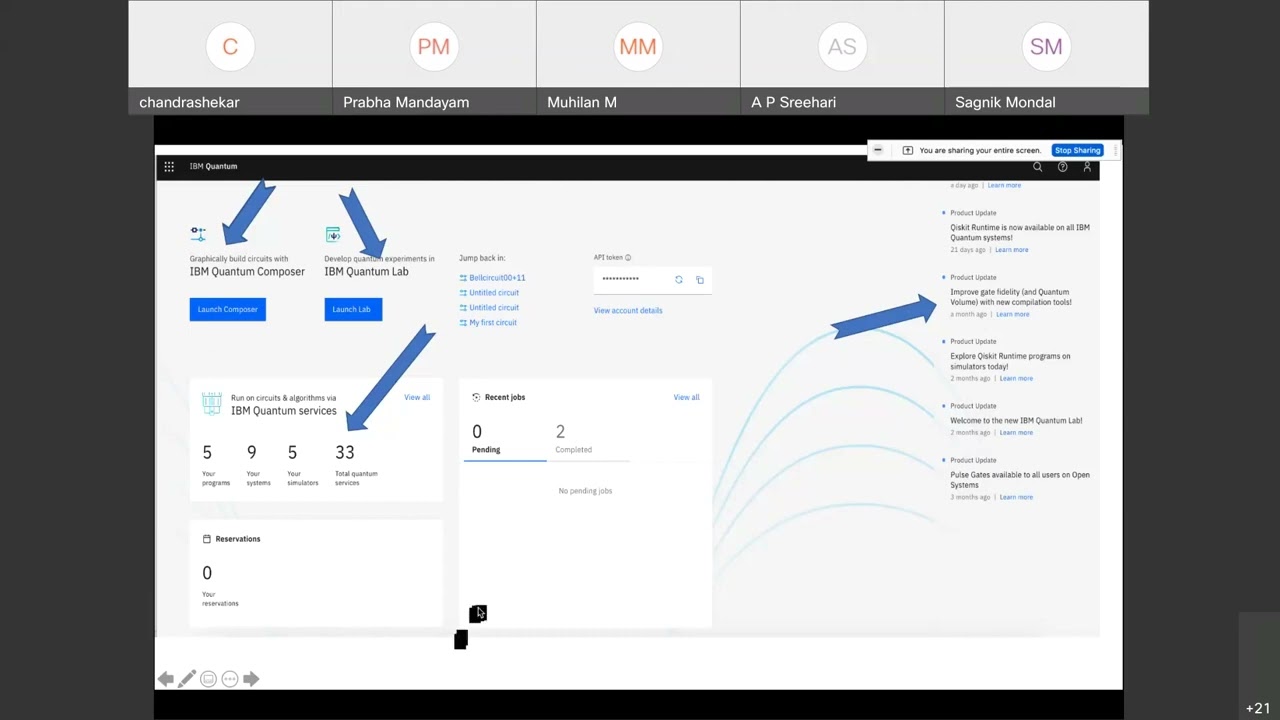
- Creating an IBM Quantum account and accessing the dashboard
- Demonstration of IBM Quantum Composer: building circuits with gates
- IBM Quantum Lab and Qiskit: writing programs in Python
- Available quantum computers, architecture, and quantum volume explained
- Pulse gates and Qiskit Metal for device design
- Bell state construction demo and summary
Contribution & Novelties
The lecture provides a practical introduction to IBM Quantum, highlighting both the composer and Python-based Qiskit lab. It covers advanced topics like quantum volume and pulse gates, bridging theory and practice. The Qiskit Metal segment introduces device design, which is not commonly covered in basic courses.
Pour aller plus loin :
- Qiskit — Open-source quantum computing framework used in the lecture.
- Quantum volume — Metric for quantum computer performance.
- Superconducting quantum computing — Technology behind IBM’s processors.
77 words
Radar Profile
The radar shows strong quantities of information and quality, with moderate technical depth and high reliability. The lecture is comprehensive but focused on IBM's platform, offering a balance of theory and practical guidance.