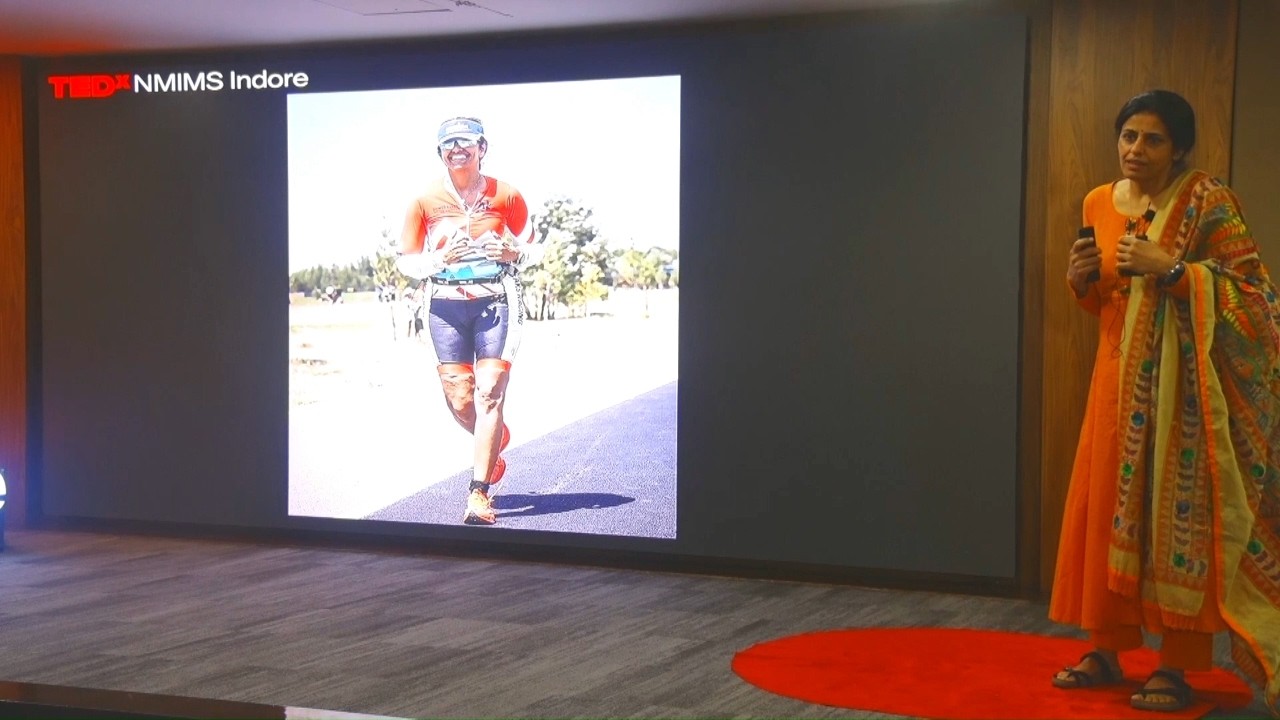
Unlearning Shame | Dr. Priya Bhave | TEDxNMIMS Indore
Keywords
Summary
169 words
Critical Evaluation
Value of the Information & Strength of the Argument
The value of this talk lies in its authentic and relatable personal narrative, which effectively illustrates the emotional burden of shame and the liberation that comes from confronting it. Bhave’s argumentation is built on her lived experiences, from body shaming to professional vulnerability, making the message accessible and emotionally resonant. She uses vivid storytelling, such as the near-drowning and the Ironman finish, to convey the depth of her internal struggles and the transformative power of perseverance. However, the argumentation is primarily anecdotal and does not engage with psychological research on shame, limiting its scientific depth. Nevertheless, as a motivational and reflective piece, it offers a compelling perspective on personal development and resilience.
Scientific Rigor, Source Quality, Title Accuracy
The talk adheres to the TEDx format, which encourages personal storytelling. Rigor is minimal: no external sources are cited, and the content is purely experiential. The title ‘Unlearning Shame’ is fitting, as the central theme is the gradual process of shedding internalized shame. The lack of scientific references reduces its academic rigor, but it is consistent with the genre of personal testimony. The only link provided is to the TEDx main page, which does not offer additional references. Overall, the talk is more inspirational than educational.
213 words
Title / Content Match
The title accurately reflects the content, as the talk focuses on the process of unlearning shame through personal experiences and encourages embracing a beginner's mindset.
Quality & Reliability
5/10
The talk is a personal testimony on shame and personal growth. While the speaker is a medical professional, the content is largely anecdotal and lacks scientific references or empirical evidence. The emotional narrative is compelling but does not provide a rigorous scientific framework.
Key Moments
Markers derived by PSI from the transcript: the creator did not define chapters.
- Introduction to the topic of shame and the speaker's 40 years of internalizing it.
- The gym dress code incident and the initial feelings of shame and inadequacy.
- Discovery of triathlon as a path to body acceptance and the decision to pursue it.
- The near-drowning incident and the shame felt for being seen in a vulnerable state.
- At the Ironman start line, feeling out of place among athletes and the shame about her body.
- The realization at the finish line when the last finisher is celebrated more than the winner, transforming her view on shame.
- Embracing the beginner's mindset and the final message about living multiple lives by unlearning shame.
Cited Sources
- TEDx Program — Official page for TEDx events, the organizing body for this talk.
Contribution & Novelties
The talk contributes a personal, introspective perspective on shame and self-acceptance, particularly in the context of athletic achievement and professional identity. It offers a unique narrative that links physical endurance with emotional growth. While not providing new scientific insights, it adds a heartfelt testimony to the discourse on shame and vulnerability.
Pour aller plus loin :
- Shame (psychology) — Relevant psychological concept explored in the talk.
- Triathlon — The sport central to the speaker’s journey of self-transformation.
- Ironman Triathlon — The specific event that catalyzed her unlearning process.
- Growth mindset — Related concept about embracing challenges and beginners’ experiences.
99 words
Radar Profile
The radar profile shows low to moderate scores across all dimensions, with relatively higher quality of information and fiabilité due to the speaker's credible background, but very low technical level and quantity of factual information. This reflects a personal testimony rather than a scientific exposition.