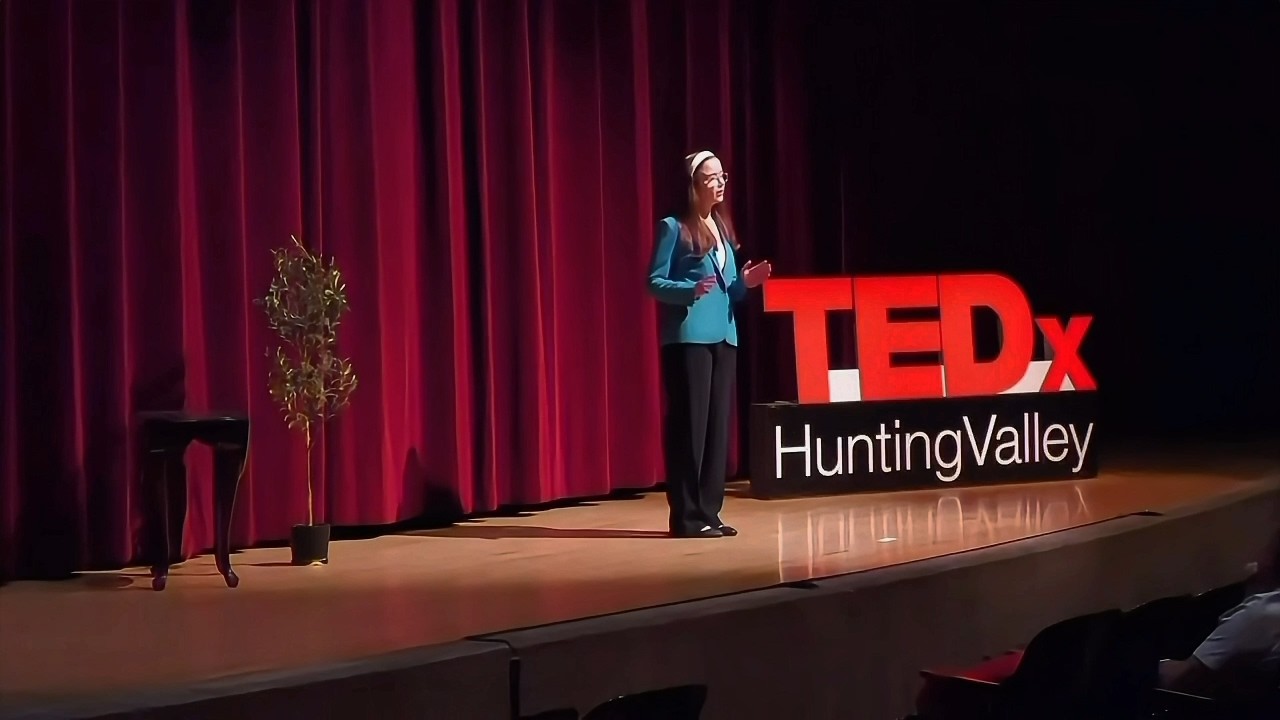
Where do we draw the line? Gerrymandering and democracy | Claire Witalec | TEDxHunting Valley
Keywords
Summary
134 words
Critical Evaluation
Value of the Information & Strength of the Argument
The talk effectively highlights the pervasive and often unrecognized impact of gerrymandering on democratic representation. Witalec builds a coherent argument that redistricting is a systemic issue used by both parties, reframing it as a people-versus-politicians problem rather than a partisan one. She supports her claims with concrete examples, such as the Utah map that diluted Salt Lake City’s vote, and introduces empirical evidence from studies linking gerrymandering to lower voter turnout. Her argument is persuasive and accessible, though it relies on selective citations and lacks deep legal or technical analysis. The call to action is grounded in real examples of successful citizen-led reform, which strengthens the motivational aspect of the talk.
Scientific Rigor, Source Quality, Title Accuracy
The talk references several sources, including the Journal of Law and Economics, the Princeton Gerrymandering Project, and specific legislation like the John Lewis Voting Rights Advancement Act, but does not provide direct URLs or detailed citations. The examples are well-chosen and credible, though some statistics (e.g., 15% competitive races in 2024) lack clear sourcing. The title is accurate and engaging, directly addressing the central question of where lines should be drawn. The content is rigorous in its overall message, but the lack of transparent sourcing limits its scientific robustness. No viewer comments were provided to assess public reception.
224 words
Title / Content Match
The title aptly captures the core question about drawing district lines and its impact on democratic representation, matching the content well.
Quality & Reliability
6/10
The talk provides a clear and engaging overview of gerrymandering, with reference to specific studies and examples, but many statistics lack direct citations, limiting overall reliability.
Key Moments
Markers derived by PSI from the transcript: the creator did not define chapters.
- Introduction to the speaker's childhood familiarity with maps and the late realization of political implications.
- Definition of gerrymandering and explanation of packing and cracking strategies.
- Example of Utah's 2021 redistricting and how Salt Lake City voters were split.
- Historical origin of the term 'gerrymander' with Elbridge Gerry and the salamander-shaped district.
- Discussion of modern AI and algorithms used to optimize gerrymandering.
- Ohio's Issue One ballot initiative and its confusing language.
- National data showing partisan disparities in representation in Ohio and Maryland.
- Supreme Court decisions limiting federal action on partisan gerrymandering.
- Call to action: voting, advocacy, and citizen engagement to address gerrymandering.
Cited Sources
- TEDx Talks - Home page — General reference to the TEDx program that hosts this talk.
Contribution & Novelties
54 words
Radar Profile
The radar profile shows a balanced but moderate performance across all dimensions, with notably high quantity of information (8) and slightly lower quality and reliability scores (6). This suggests a talk that is rich in content but could benefit from stronger sourcing and rigor, aligning with its accessible, advocacy-oriented nature.