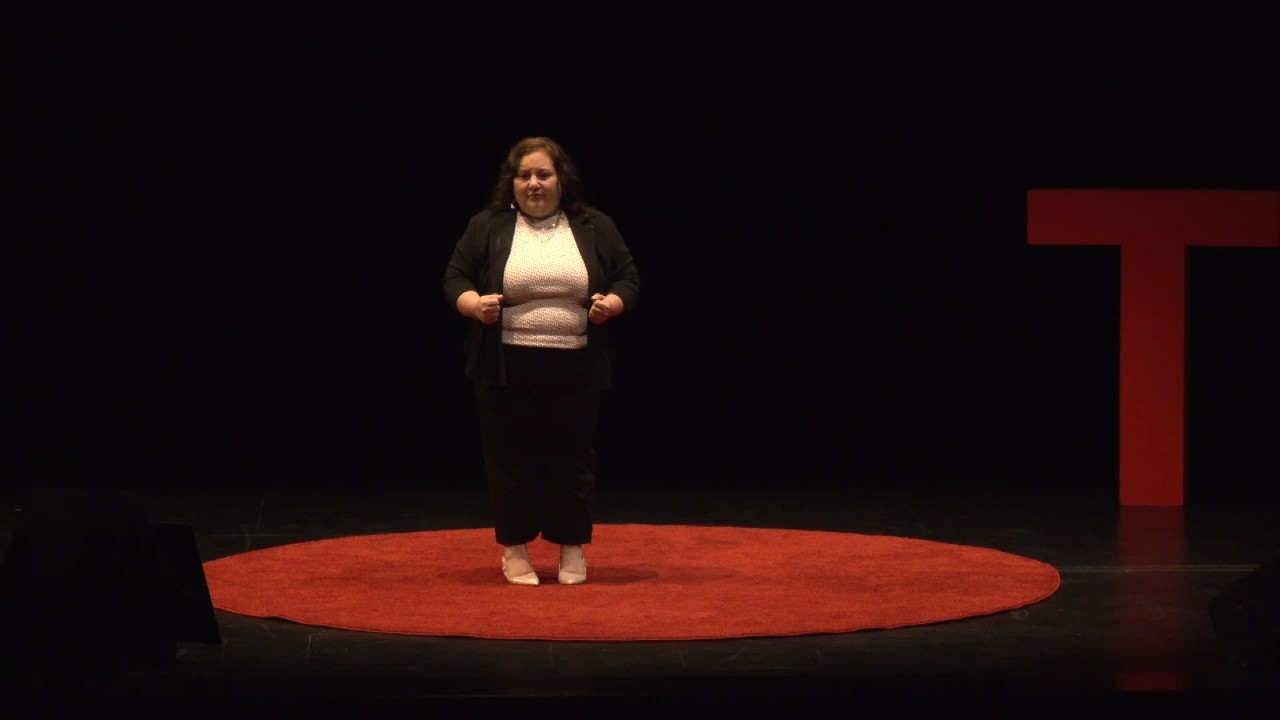
The Power of a Caregiver | Rachel Arterburn | TEDxUTulsa
Keywords
Summary
182 words
Critical Evaluation
Value of the Information & Strength of the Argument
The talk’s value lies in its authentic personal story and the speaker’s professional insights. The emotional weight of the narrative effectively illustrates the transformative work of caregivers. The argumentation is coherent, moving from personal experience to broader systemic issues, and culminates in practical recommendations. The call for respect, better language, and career pathways is persuasive, though it relies on anecdotal evidence rather than empirical data. The mention of the 63 million figure adds credibility, but more detailed statistics would strengthen the argument. Overall, the talk succeeds in raising awareness and humanizing a often-overlooked workforce.
Scientific Rigor, Source Quality, Title Accuracy
The talk is a personal testimony and advocacy, not a scientific study. No specific sources are cited beyond the TEDx platform and a reference to anthropologist Margaret Mead’s well-known anecdote about a healed femur, which is presented without formal citation. The title ‘The Power of a Caregiver’ is highly appropriate, capturing the central message, and the content fully aligns with that title. While the talk lacks rigorous citations, it is not intended as a research presentation but as a call to action, and the speaker’s professional background lends credibility to her observations.
201 words
Title / Content Match
The title accurately reflects the central theme of the talk, focusing on the impact and importance of caregivers.
Quality & Reliability
6/10
The talk is a personal narrative and advocacy piece rather than a rigorous scientific exposition. The speaker has relevant professional experience, and the anecdote about Margaret Mead's 'healed femur' is a known concept, but no empirical data or citations to studies are provided.
Key Moments
Markers derived by PSI from the transcript: the creator did not define chapters.
- Rachel introduces her brother Daniel and the childhood car ride to his residential care facility.
- Describes Daniel's profound autism and the limited options for his care in 1981.
- Daniel's progress with caregivers, including learning independent skills during weekend visits.
- Daniel's death and the powerful presence of his caregivers at the funeral, grieving with the family.
- Margaret Mead's 'healed femur' story as a defining moment of human civilization rooted in care.
- Reasons caregivers leave: exhaustion, physical and emotional labor, and being seen as replaceable.
- Proposal to change language, create career ladders, and provide better training and recognition.
Cited Sources
- TEDx Program — Overview of independently organized TEDx events, under which this talk was presented.
Contribution & Novelties
The talk contributes a personal, heartfelt perspective on caregiving, highlighting the often invisible emotional labor of caregivers and advocating for systemic changes in how society values them. It uniquely blends a sibling’s experience with professional insight to emphasize the need for respect, better language, and career development. The concrete suggestions, such as specific thank-yous and mentorship programs, are actionable.
Pour aller plus loin :
- Caregiver — Overview of the roles and challenges of caregivers.
- Direct care worker — Focuses on the professional caregiving workforce and its conditions.
- Caregiver stress — Discusses the psychological and physical strain on caregivers, relevant to the talk’s points on exhaustion.
105 words
Radar Profile
The radar profile shows moderate scores in information quantity and quality, with a significantly lower technical level and a moderate reliability score. This indicates an accessible, heartfelt talk that prioritizes emotional engagement and personal experience over technical depth or scientific rigor.