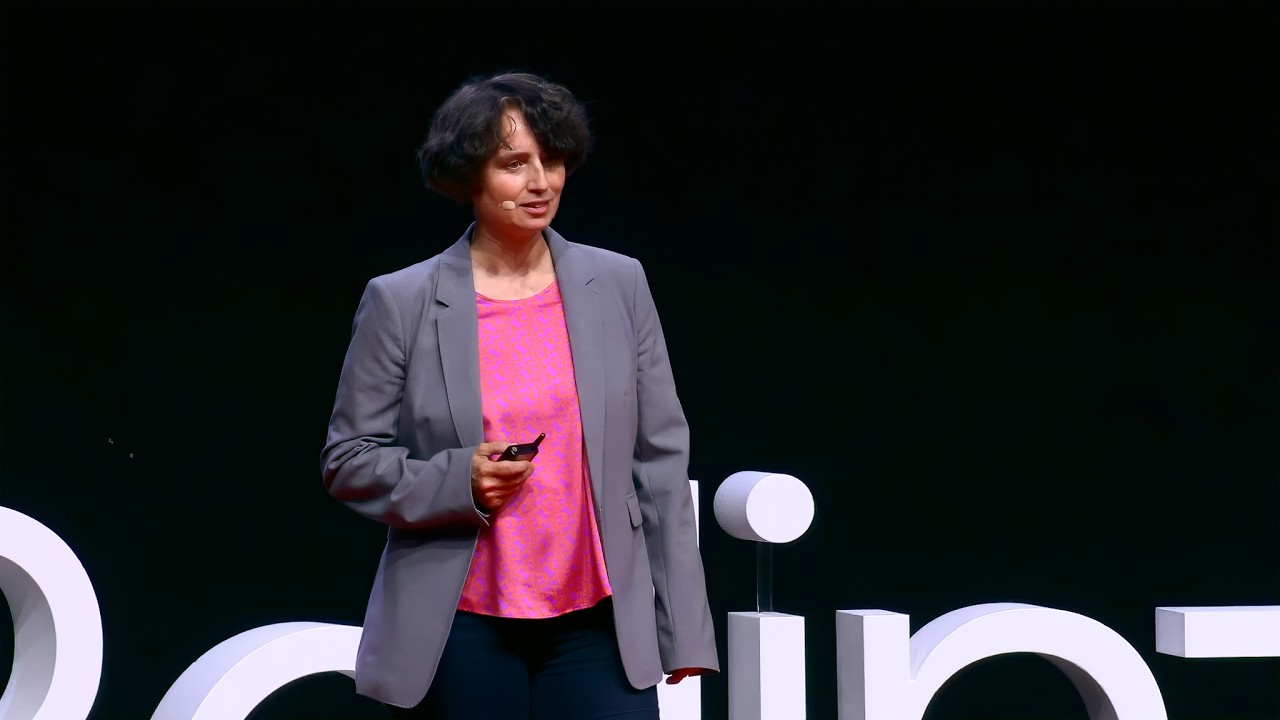
Il nucleare è davvero così pericoloso? | Annalisa Manera | TEDxBellinzona
Is nuclear power really that dangerous? | Annalisa Manera | TEDxBellinzona
Keywords
Summary
205 words
Critical Evaluation
Value of the Information & Strength of the Argument
The talk provides strong value by using concrete, relatable comparisons (banana, Rivella can, Giza pyramid) to make nuclear risks and waste statistics comprehensible. The argumentation is solid, drawing on official data like death rates per unit of energy and Swiss energy scenarios from Axpo. The speaker systematically reframes common misconceptions (e.g., radiation levels, waste volume) with evidence, though she does not include explicit source citations, relying on her expertise and widely accepted figures. The reasoning is presented logically, comparing risks and benefits, and the call for rational discussion is well-supported.
Scientific Rigor, Source Quality, Title Accuracy
The talk is scientifically rigorous in its use of quantitative examples and comparisons, but it lacks explicit references to studies or reports, which limits verifiability. The speaker’s credentials enhance credibility, but the absence of citations is a minor weakness. The title accurately reflects the content, but the answer is nuanced: the talk argues that nuclear is not as dangerous as feared, while acknowledging real risks and challenges. The title does not mislead; it invites critical examination.
181 words
Title / Content Match
The title poses a pointed question, and the talk directly addresses it with evidence and argumentation, fully matching the content.
Quality & Reliability
8/10
The speaker is a professor at ETH Zurich with extensive expertise in nuclear systems. She presents data and comparisons, though no explicit citations or sources are provided. The talk is well-structured and uses credible examples (e.g., Fukushima, Onagawa, waste volumes).
Key Moments
Markers derived by PSI from the transcript: the creator did not define chapters.
- Introduction: false image of nuclear power, measuring radioactivity
- Banana example: background radiation, sensitivity of detectors
- Fukushima water discharge comparison, deaths per energy unit
- Onagawa plant as refuge, energy density of nuclear fuel
- Waste volume comparison, geological repositories, Switzerland's chemical waste export
- Decarbonization in Europe, Swiss energy mix and seasonal challenge
- Axpo scenarios: solar/wind scale vs. nuclear replacement numbers
- Conclusion with Marie Curie quote and call for fact-based debate
Cited Sources
- TEDx Talks — Description mentions the TEDx event and general link.
Contribution & Novelties
The talk offers a fresh, data-driven perspective on nuclear energy risks, effectively communicating technical details to a general audience. It challenges common narratives with concrete examples and quantifies energy and waste, adding clarity to the discussion. The emphasis on Swiss energy policy highlights a specific case often overlooked.
Pour aller plus loin:
- Onkalo spent nuclear fuel repository — The Finnish geological disposal site mentioned in the talk; relevant for waste management.
- Nuclear power — Overview of nuclear energy, its risks, and benefits, aligning with the talk’s core subject.
- Fukushima nuclear disaster — Provides detailed data on the accident, useful for verifying claims about casualties and radiation releases.
107 words
Radar Profile
The profile shows high scores across information quantity and reliability, with slightly lower technical depth. This reflects a talk that is informative and credible but accessible, balancing expert insight with generalist communication.