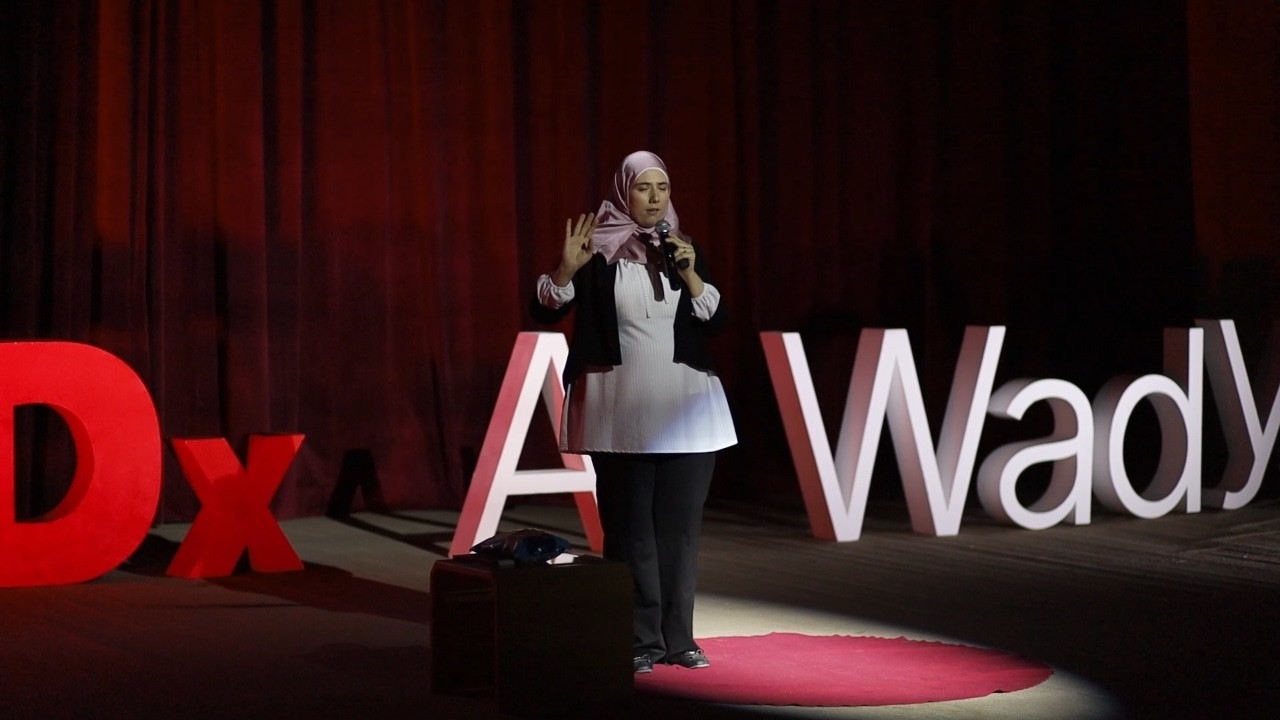
ضبط الأكل العاطفي :ليس مجرد حمية بل أسلوب حياة | لمى البارودي | TEDxAl Wady
Mastering Emotional Eating: It’s Not Just a Diet, It’s a Lifestyle | Lama Al-Baroudi | TEDxAlWady
Keywords
Summary
157 words
Critical Evaluation
Value of the Information & Strength of the Argument
The talk offers practical insights and personal experience, but its argumentation relies heavily on anecdotes and vague references to studies. The value lies in raising awareness about the psychological underpinnings of eating behaviors and the importance of mindfulness. However, the lack of specific citations reduces its scientific strength. The speaker’s argument that emotional eating is a learned response is plausible and supported by general psychological concepts, but the presentation is more motivational than evidence-based.
Scientific Rigor, Source Quality, Title Accuracy
The talk does not provide specific references to scientific literature; it mentions studies from 2024 and a local study at Homs University without details. The statistics on diabetes are consistent with global trends but lack source attribution. The title accurately reflects the content, which focuses on emotional eating as a lifestyle issue. Overall, the scientific rigor is moderate, with reliance on personal experience and unsupported claims.
155 words
Title / Content Match
The title accurately reflects the content: the talk focuses on emotional eating and proposes it as a lifestyle issue rather than just a diet, aligning with the speaker's message.
Quality & Reliability
6/10
The talk provides practical insights based on a professional's experience, but lacks rigorous peer-reviewed citations, relying on personal stories and general statistics. It makes claims about studies without specific references, reducing overall reliability.
Key Moments
Markers derived by PSI from the transcript: the creator did not define chapters.
- Interactive introduction asking about snack preferences.
- Story of Sara's emotional eating with chips at night.
- Explanation of childhood origins of emotional eating.
- Diabetes statistics and predictions for 2050.
- Introduction of ASMR and sensory cues affecting eating.
- Study at Homs University on social media influence on dietary choices.
- Solutions: asking how you feel and engaging in hobbies.
- Personal puzzle anecdote and closing message.
Cited Sources
- TEDx Program — Official TEDx page, mentioned in the video description for additional information about TEDx events.
Contribution & Novelties
The talk’s original contribution is its practical approach to emotional eating, emphasizing the need to address underlying emotions rather than focusing solely on diet. It connects emotional eating with sensory triggers (ASMR) and social media influence, offering a holistic perspective. The speaker’s personal experience and local study add a community-specific angle.
Pour aller plus loin :
- Emotional eating — Wikipedia overview of the concept, relevant to the main topic.
- ASMR — Wikipedia article on ASMR, which is referenced as a sensory trigger in eating behavior.
- Diabetes fact sheet (WHO) — Official statistics on diabetes prevalence, supporting the numbers mentioned in the talk.
102 words
Radar Profile
The radar profile shows moderate scores across all dimensions, with the lowest in technical level and reliability. This reflects a talk that is accessible and engaging but lacks deep scientific backing, making it more suitable for general awareness than academic reference.