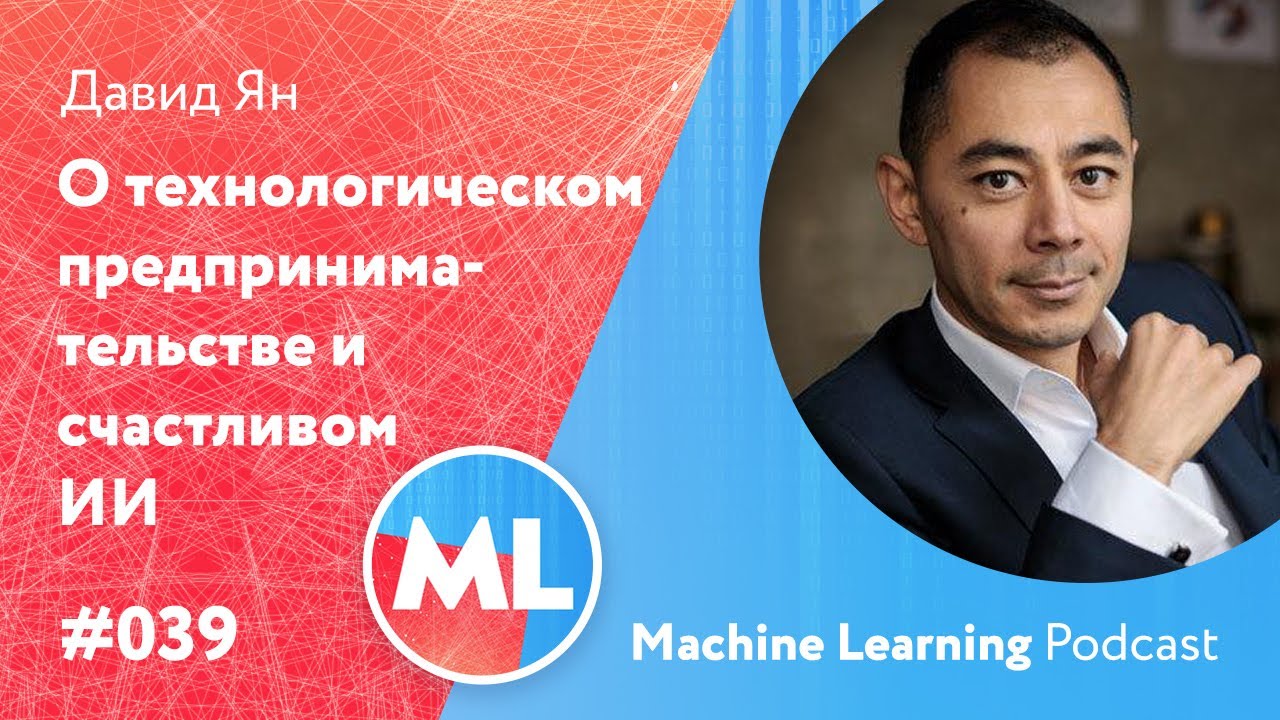
#039 ML Давид Ян. О технологическом предпринимательстве и счастливом искусственном интеллекте
#039 ML David Yan. On technological entrepreneurship and happy artificial intelligence
Keywords
Summary
164 words
Critical Evaluation
Value of the Information & Strength of the Argument
The value of this interview lies in David Yan’s first-hand experience building major tech products. He provides concrete examples of how ideas evolved, such as the shift from language learning software to translation tools. The argumentation is largely anecdotal, but his success with ABBYY and subsequent ventures gives credibility to his lessons. He openly discusses failures, such as the Cybiko communicator, and the importance of timing and market conditions. While he does not present formal scientific arguments, his insights into entrepreneurship and AI are practical and thought-provoking. The discussion on emotional AI raises interesting questions about the nature of consciousness and ethics, though these remain speculative.
Scientific Rigor, Source Quality, Title Accuracy
Biographical and technical claims are based on David Yan’s personal recollections, which are not independently verified. The video does not cite specific academic sources, but the description provides links to relevant products (ABBYY, Morfeus) and a book reference. The title accurately represents the content, covering both entrepreneurship and AI with an emotional twist. The absence of citations limits the scientific rigor, but the interviewee’s credibility compensates to some extent. No significant discrepancies between title and content are observed.
199 words
Title / Content Match
The title accurately reflects the interview's focus on technology entrepreneurship and the concept of a 'happy AI', including ethical discussions.
Quality & Reliability
7/10
The interview features a credible entrepreneur and co-founder of ABBYY, but the content is primarily anecdotal and based on personal experience. Technical details are provided, but without rigorous scientific evidence or citations.
Key Moments
Markers derived by PSI from the transcript: the creator did not define chapters.
Cited Sources
- Morfeus — Official website of Morfeus, an emotional AI project mentioned in the interview.
- ABBYY — Official website of ABBYY, the company co-founded by David Yan.
- The Martian Chronicles by Ray Bradbury — Book referenced in the description, possibly recommended by the guest.
- Machine Learning Podcast (official site) — Official podcast page.
- Episode 39 page — Direct link to this episode.
- Podcast on Apple Podcasts — Apple Podcasts distribution.
- Podcast on Google Podcasts — Google Podcasts feed.
- Podcast in Yandex Music — Yandex Music distribution.
- Podcast Telegram channel — Telegram channel for the podcast.
- Telegram channel 'Стать специалистом по машинному обучению' — Telegram channel for ML specialists.
- VK community — VK page for the podcast.
Concurring Sources
Contribution & Novelties
The video offers a personal narrative of the evolution of AI and tech entrepreneurship, providing unique insights into the failures and successes of building impactful products. It introduces the concept of ’emotional AI’ as embodied in the Morpheus system, which aims to foster employee well-being. The interview also touches on the ethical implications of AI in the workplace, a timely topic.
Pour aller plus loin :
- Optical Character Recognition — Essential reading on the technology behind FineReader.
- ABBYY company — Wikipedia article on the company co-founded by David Yan.
- AI ethics — Discusses the ethical concerns raised in the interview.
100 words
Radar Profile
The radar profile shows a relatively high score on quantity of information and reliability, but lower on technical rigor and quality, reflecting the podcast's informal but informative nature.