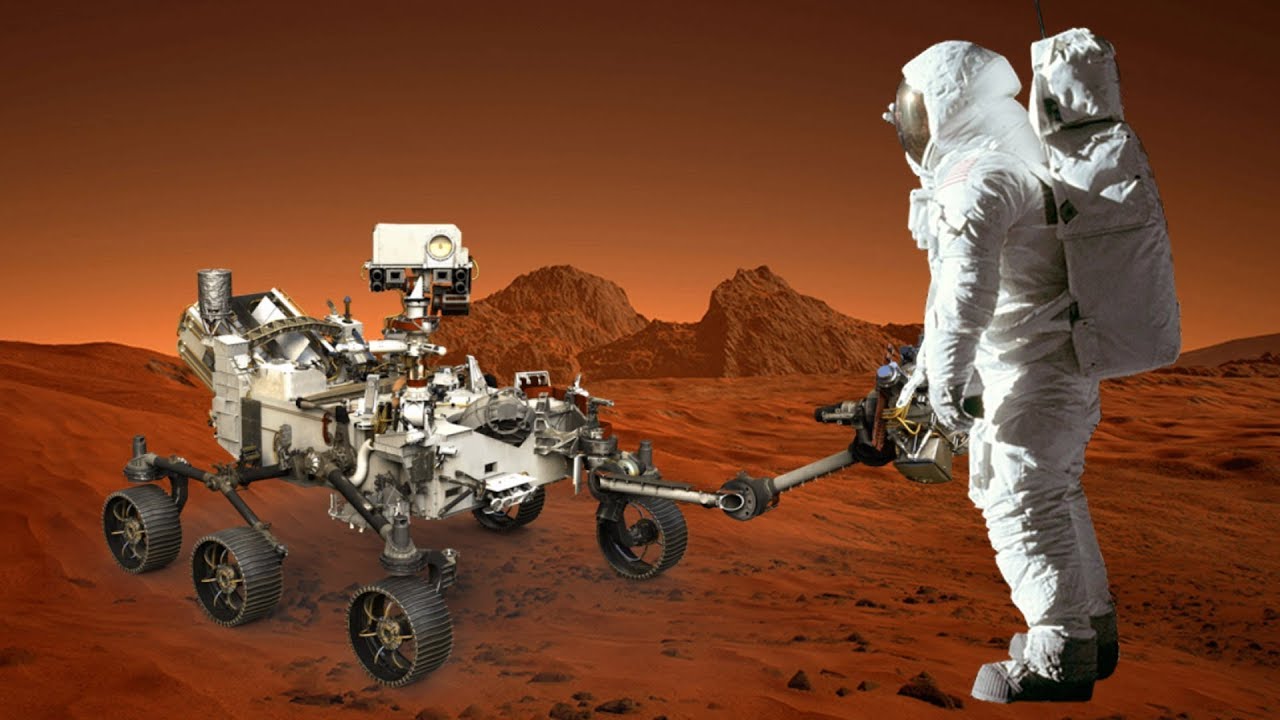
Humains ou Robots : Qui doit explorer l'espace ? - LDDE
Keywords
Summary
128 words
Critical Evaluation
Value of the Information & Strength of the Argument
The video provides a balanced and well-structured argument, presenting both sides of the debate with concrete examples. It effectively uses historical missions (Apollo, Soviet Luna) and current projects (LOP-G) to illustrate points. The argumentation is logical, though it could benefit from more quantitative data on costs and scientific returns.
Scientific Rigor, Source Quality, Title Accuracy
The video cites NASA and Futurism as sources, which are credible, but the presentation does not always specify which claims come from these sources. The title accurately reflects the content, and the video maintains a neutral tone, avoiding sensationalism. The production quality is high, with clear visuals and narration.
113 words
Title / Content Match
The title accurately reflects the content, which systematically compares the roles of humans and robots in space exploration.
Quality & Reliability
7/10
The video presents a balanced overview of the debate, citing NASA and Futurism sources, but lacks detailed citations for specific claims and does not include expert interviews or peer-reviewed references.
Key Moments
Markers derived by PSI from the transcript: the creator did not define chapters.
- Introduction to the debate between robotic and human space exploration.
- Discussion of human physical limitations in space.
- Advantages of robotic missions: cost, endurance, and no risk to life.
- Limitations of robots: lack of autonomy and improvisation.
- Comparison of Apollo and robotic programs, highlighting scientific returns.
- The role of human presence in inspiring public interest and future colonization.
- Discussion of the Lunar Orbital Platform-Gateway and its scientific goals.
- Conclusion: future collaboration between humans and robots.
Cited Sources
- Why We Explore — NASA page on the reasons for space exploration, cited as a general source.
- What is the value of manned space exploration? — Futurism article discussing the value of human spaceflight, cited for arguments on human vs robotic exploration.
Concurring Sources
- Why We Explore — NASA's rationale for exploration aligns with the video's argument that human exploration is a driver for technological advancement and public engagement.
External References
Contribution & Novelties
The video synthesizes existing arguments in a clear and accessible format, providing a balanced overview of the human vs. robot debate. It adds value by framing the discussion around future projects like the Lunar Gateway and the potential for Mars colonization.
Pour aller plus loin :
- NASA’s Lunar Gateway — Official page on the Lunar Orbital Platform-Gateway, relevant to the video’s discussion of future human missions.
- Space colonization — Wikipedia article on the concept of permanent human habitation in space, directly related to the video’s conclusion.
- Robotic spacecraft — Wikipedia article on robotic spacecraft, providing background on the technology discussed.
100 words
Radar Profile
The radar profile shows balanced scores across information quantity, quality, technical level, and reliability, indicating a well-rounded but not deeply technical presentation. The video is strong in providing a comprehensive overview but may lack depth in specific technical details.
💬 Très positif. Sur les 30 commentaires analysés, les spectateurs expriment une admiration unanime pour la qualité de la présentation, la clarté et la pertinence du sujet, avec des félicitations pour les 50 000 abonnés.