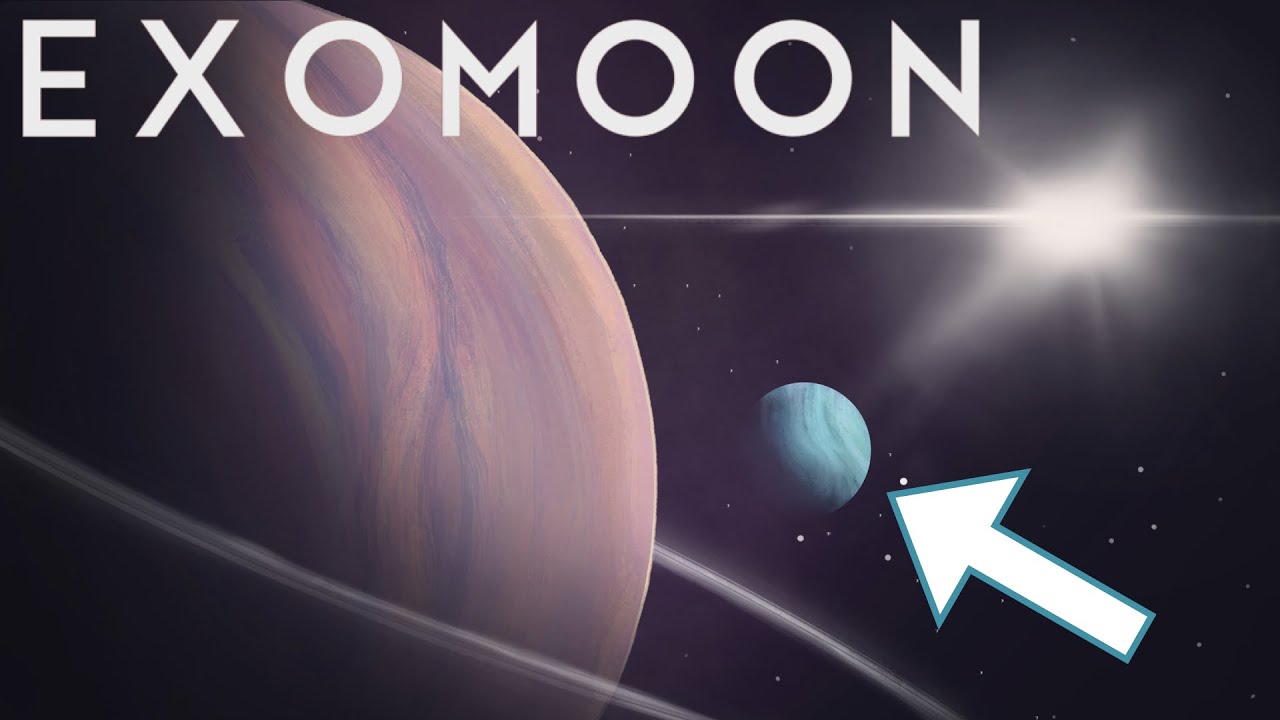
We Discovered a New Exomoon Candidate!!
Keywords
Summary
168 words
Critical Evaluation
Value of the Information & Strength of the Argument
The video provides exceptional value by presenting original, peer-reviewed research directly from the lead scientist. It offers a detailed, transparent account of the methodology, including the criteria for selecting cool giants, the detrending techniques, and the statistical tests used to evaluate candidates. The argumentation is rigorous and honest, as Kipping systematically attempts to disprove his own candidate, demonstrating a strong commitment to the scientific method. The presentation of alternative explanations (starspots, hidden stars, data artifacts) and the discussion of the false positive probability add to the credibility and educational value of the content.
Scientific Rigor, Source Quality, Title Accuracy
The scientific rigor is exemplary. The research is published in Nature Astronomy, a top-tier journal, and the video references the original paper and a previous exomoon candidate study. The methodology is described in sufficient detail to be understood by a lay audience while remaining technically accurate. The title accurately reflects the content, and the video’s claims are appropriately cautious, emphasizing the candidate status and the need for further confirmation. The inclusion of the paper’s DOI and links to supporting materials enhances the transparency and verifiability of the information.
196 words
Title / Content Match
The title accurately reflects the content: the video announces and explains the discovery of a new exomoon candidate, Kepler-1708 b-i.
Quality & Reliability
9/10
The video presents original peer-reviewed research published in Nature Astronomy, with detailed methodology, rigorous statistical tests, and transparent discussion of alternative explanations and limitations. The presenter is a leading expert in the field, and the content is consistent with established scientific practices.
Chapters
Cited Sources
- An Exomoon Survey of 70 Cool Giant Exoplanets and the New Candidate Kepler-1708 b-i — The paper presenting the survey and the new exomoon candidate, published in Nature Astronomy.
- Evidence for a large exomoon orbiting Kepler-1625b — The previous exomoon candidate, Kepler-1625b-i, reported by the same team in 2018.
Concurring Sources
- An Exomoon Survey of 70 Cool Giant Exoplanets and the New Candidate Kepler-1708 b-i — The primary source, published in Nature Astronomy, supports the claims made in the video.
- Evidence for a large exomoon orbiting Kepler-1625b — The previous exomoon candidate, which is discussed in the video and provides context for the new discovery.
External References
Contribution & Novelties
This video presents a significant new contribution to the field of exomoon research: the first systematic survey of cool giant exoplanets for exomoons, resulting in the discovery of a second exomoon candidate, Kepler-1708 b-i. The survey’s methodology, including the use of multiple detrending methods and rigorous statistical tests, sets a new standard for exomoon searches. The candidate, if confirmed, would represent a new class of large exomoons around cool giants, challenging existing theories of moon formation.
Pour aller plus loin :
- Exomoon — Wikipedia overview of exomoons, their detection methods, and candidates.
- Transit-timing variation — Explanation of the TTV technique used to infer the presence of exomoons.
- Bayes factor — Statistical concept used to compare the likelihood of competing models, central to the candidate selection.
- Kepler space telescope — The mission that provided the data for this survey.
138 words
Radar Profile
The radar profile shows very high scores across all dimensions, with particularly strong performance in information quality and reliability. The video excels in providing accurate, well-sourced scientific content, with a slightly lower but still high score in technical depth, reflecting its accessibility to a general audience.
💬 Très positif. Sur les 30 commentaires analysés, le public exprime une admiration et un enthousiasme marqués pour la découverte et la rigueur scientifique de l'équipe, saluant la pédagogie et la transparence de la présentation.