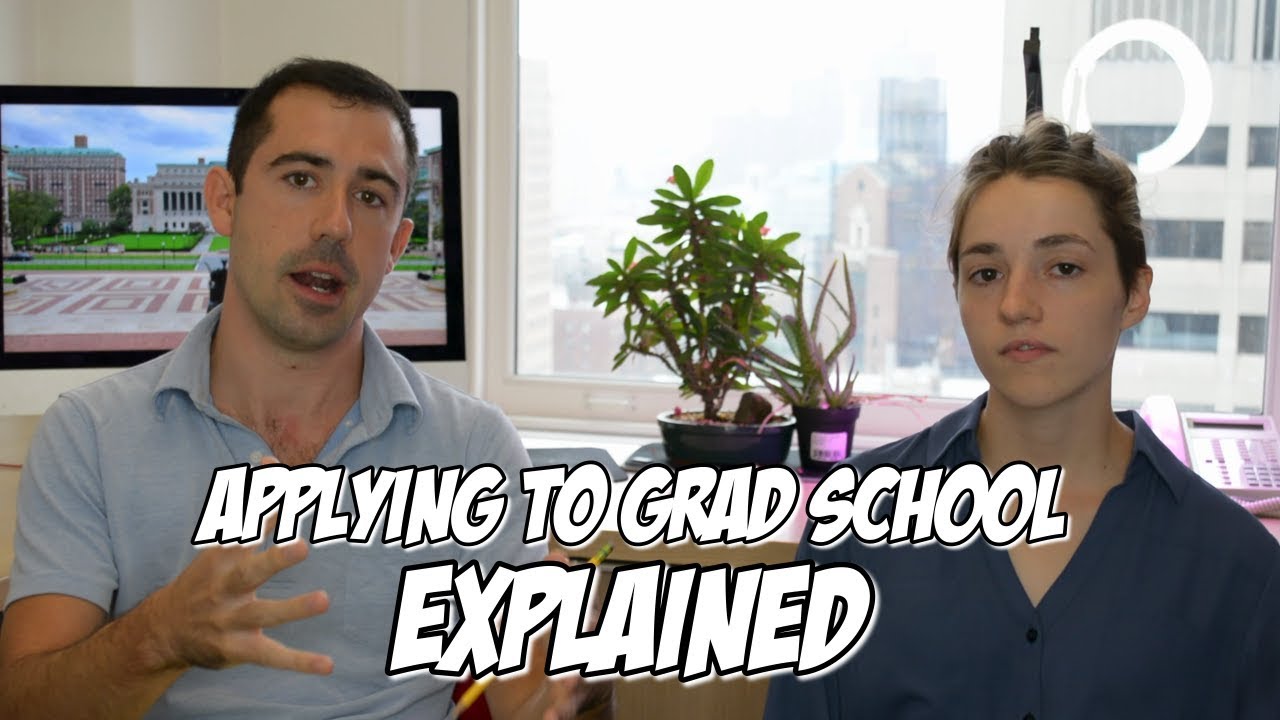
10 Steps for Applying to Graduate School
Keywords
Summary
145 words
Critical Evaluation
Value of the Information & Strength of the Argument
The video offers valuable, practical advice for prospective graduate students, particularly in astronomy. The presenters draw on their own experiences and one has served on an admissions committee, lending credibility. The argumentation is balanced, acknowledging that requirements vary by institution and that no single factor is decisive. They emphasize the importance of research experience, genuine enthusiasm, and tailored applications. The advice is actionable, with specific resources like NSF REU lists and GRE test dates. The discussion of the physics GRE’s declining importance is timely and well-contextualized. The main limitation is the anecdotal nature of the advice, which may not generalize to all fields or programs.
Scientific Rigor, Source Quality, Title Accuracy
The video maintains a high level of scientific rigor for its genre. The presenters are credible, and they reference official sources such as the NSF, ETS, and Columbia University’s admissions pages. They also mention a community-compiled spreadsheet tracking GRE requirements, which is a useful resource. The title accurately reflects the content, which is a step-by-step guide. The advice is consistent with common knowledge in academia, though it is not a formal study. The sources cited are appropriate and directly relevant to the topics discussed.
204 words
Title / Content Match
The title accurately reflects the content, which systematically covers ten steps of the graduate school application process.
Quality & Reliability
8/10
The advice is grounded in the presenters' direct experience as graduate students and one as an admissions committee member, and is complemented by references to official resources (NSF, ETS, Columbia). The guidance is practical and balanced, acknowledging variability across programs. However, it is largely anecdotal and may not reflect all fields or institutions.
Key Moments
Markers derived by PSI from the transcript: the creator did not define chapters.
- Step 1: Deciding if you want to apply
- Step 2: Try to gain research experience
- Step 3: What grades are needed for grad school?
- Step 4: What about the GRE?
- Step 5: Try to plan your applications early
- Step 6: Choosing where to apply
- Step 7: Should I email faculty members?
- Step 8: What to put in personal statements
- Step 9: Getting letters of recommendation
- Step 10: After your application is sent
Cited Sources
- NSF REU programs in astronomy — List of Research Experiences for Undergraduates supported by the NSF, mentioned as a resource for gaining research experience.
- Spreadsheet of astronomy program GRE requirements — Community-compiled list of US/Canadian astronomy programs and their GRE requirements, referenced in the discussion of the physics GRE.
- ETS GRE test dates — Official information on GRE test dates, recommended for planning when to take the exam.
- Columbia GSAS application fee waivers — Information on fee waiver programs for Columbia's Graduate School of Arts and Sciences, mentioned as an example of financial assistance.
- Columbia Astronomy fee waiver program — Details on the Columbia University Department of Astronomy's fee waiver program, cited as an example of departmental support.
- Columbia Astronomy admissions information — Application information for Columbia's astronomy department, referenced as a resource for applicants.
- Cool Worlds Lab website — The lab's website, mentioned as a point of contact for further questions.
Concurring Sources
- NSF REU programs — The NSF's official REU page aligns with the video's recommendation to seek research experience through these programs.
- Columbia GSAS admissions — The university's admissions page corroborates the fee waiver information mentioned in the video.
External References
Contribution & Novelties
The video provides a comprehensive, step-by-step guide to graduate school applications specifically for astronomy and physics, drawing on the presenters’ recent experiences and insider knowledge from an admissions committee member. It offers practical advice on navigating the GRE, securing research experience, and crafting applications, with a reassuring tone that demystifies the process. The inclusion of resources like the GRE requirements spreadsheet and fee waiver information adds tangible value.
Pour aller plus loin :
- Research Experience for Undergraduates (REU) — Official NSF page for REU programs, central to the video’s advice on gaining research experience.
- Graduate Record Examination (GRE) — Official ETS page for the GRE, relevant to the discussion of standardized testing.
- Letter of recommendation — Wikipedia article on letters of recommendation, a key component of the application discussed in the video.
132 words
Radar Profile
The radar profile shows high scores in information quantity, quality, and reliability, with a lower technical level. This reflects a video that is rich in practical advice and credible sources, but not deeply technical, making it accessible to a broad audience of prospective graduate students.
💬 Sur les 0 commentaires analysés, aucune tendance n'a pu être dégagée.