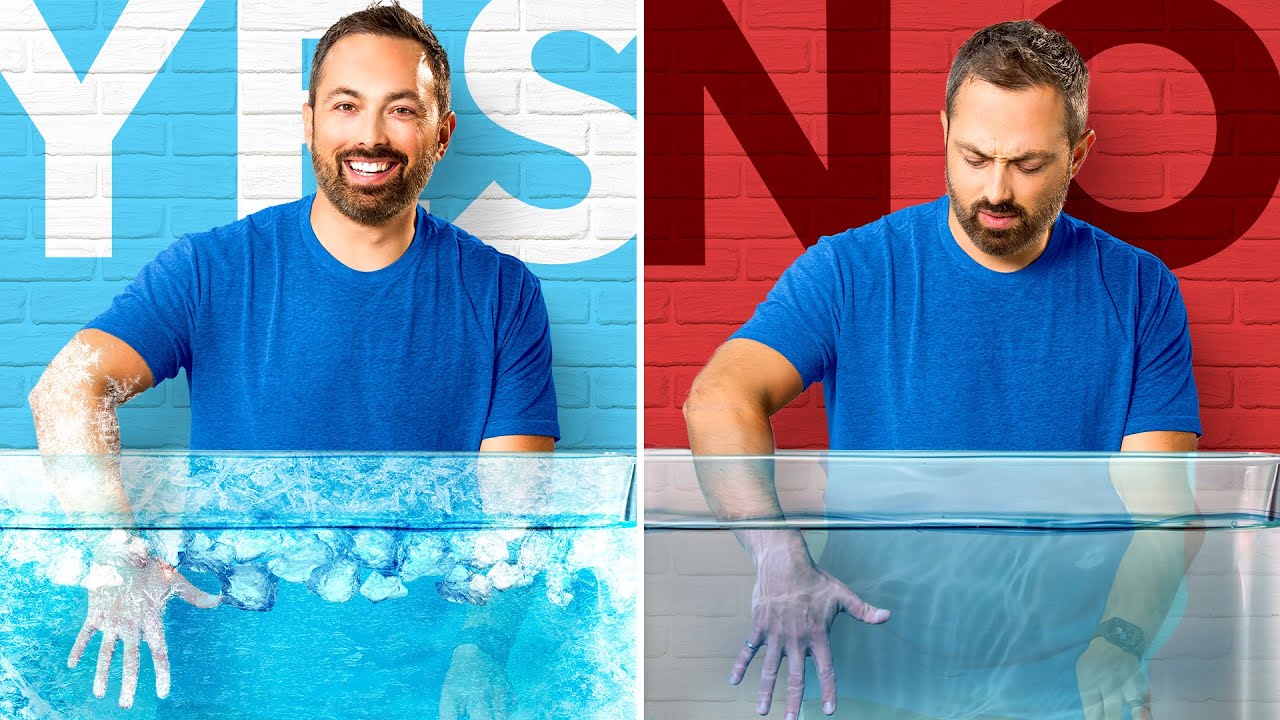
Why People Prefer More Pain
Keywords
Summary
136 words
Critical Evaluation
Value of the Information & Strength of the Argument
The video provides valuable insights into cognitive biases affecting memory and decision-making. It effectively demonstrates the peak-end rule through a hands-on replication, making the concept tangible. The argumentation is solid, building from the experiment to broader applications, and is supported by references to key studies. The inclusion of the Linda problem and representativeness heuristic adds depth, showing how mental shortcuts influence judgments. The video is persuasive in showing how understanding these biases can improve personal well-being and design.
Scientific Rigor, Source Quality, Title Accuracy
The video maintains high scientific rigor by citing original research and providing references in the description. The replication is clearly explained, and the results align with the original study. The title accurately reflects the content, and the video does not overstate findings. The sources are credible, including peer-reviewed journals and established researchers. The ad segment is clearly separated and does not compromise the scientific integrity of the content.
161 words
Title / Content Match
The title accurately reflects the central question of the video, which explores why people sometimes prefer more pain over less.
Quality & Reliability
8/10
The video presents a well-structured replication of a classic psychological experiment, clearly explaining the methodology and results. It cites multiple peer-reviewed studies and includes references in the description. The content is accurate and aligns with established research, though the small sample size of the replication and the promotional segment slightly temper the score.
Key Moments
Markers derived by PSI from the transcript: the creator did not define chapters.
- Introduction to the pain experiment replication
- Participants rate discomfort in cold water
- Reveal of the two trials and preference for longer trial
- Explanation of duration neglect and experiencing vs remembering self
- Introduction of representativeness heuristic and Linda problem
- Discussion of recency bias and Game of Thrones example
- Application to medical procedures and colonoscopy study
- Practical advice for creating better memories
- Sponsor segment for Headspace
Cited Sources
- Kahneman, D. et al. (1993). When More Pain Is Preferred to Less: Adding a Better End. Psychological Science — Original study replicated in the video
- Kahneman, D. (2011). Thinking, fast and slow. Farrar, Straus and Giroux — Book discussing cognitive biases and heuristics
- Fredrickson, B. L., Kahneman, D. (1993). Duration neglect in retrospective evaluations of affective episodes. Journal of personality and social psychology — Study on duration neglect
- Kahneman, D., Tversky, A. (1972). Subjective probability: A judgment of representativeness. Cognitive Psychology — Foundational work on representativeness heuristic
- Diener, E. et al. (2001). End Effects of Rated Life Quality: The James Dean Effect. Psychological Science — Study on how endings affect life quality judgments
- Redelmeier, D. A. et al. (2003). Memories of colonoscopy: a randomized trial. Pain — Clinical trial applying peak-end rule to colonoscopy
- Kemp, S. et al. (2008). A test of the peak-end rule with extended autobiographical events. Memory & Cognition — Study on peak-end rule in autobiographical memories
- Headspace studies — Studies supporting Headspace claims (sponsor)
Concurring Sources
- Kahneman, D. et al. (1993). When More Pain Is Preferred to Less: Adding a Better End. Psychological Science — Original study replicated in the video
- Fredrickson, B. L., Kahneman, D. (1993). Duration neglect in retrospective evaluations of affective episodes. Journal of personality and social psychology — Study on duration neglect
- Redelmeier, D. A. et al. (2003). Memories of colonoscopy: a randomized trial. Pain — Clinical trial applying peak-end rule to colonoscopy
External References
Contribution & Novelties
The video adds value by replicating a classic experiment in a modern, engaging format, making the peak-end rule accessible to a broad audience. It connects the concept to everyday examples and practical advice, enhancing its applicability. The inclusion of the Linda problem and representativeness heuristic provides a broader cognitive framework.
Pour aller plus loin :
- Peak-end rule — Wikipedia article explaining the rule and its applications.
- Duration neglect — Wikipedia article on the phenomenon.
- Representativeness heuristic — Wikipedia article on the heuristic and its biases.
- Thinking, Fast and Slow — Wikipedia article on Kahneman’s book, which elaborates on these concepts.
100 words
Radar Profile
The radar profile shows high scores across all dimensions, indicating a well-rounded video with strong information quality, technical depth, and reliability. The slightly lower score in 'niveau_technique' reflects the accessible presentation, while the high 'quantite_information' and 'qualite_information' highlight the comprehensive coverage of the topic.
💬 Positif. Sur les 30 commentaires analysés, la majorité exprime une appréciation du contenu et de la démonstration, avec un humour notable concernant la fin sponsorisée, qui est perçue comme une illustration ironique du principe expliqué.