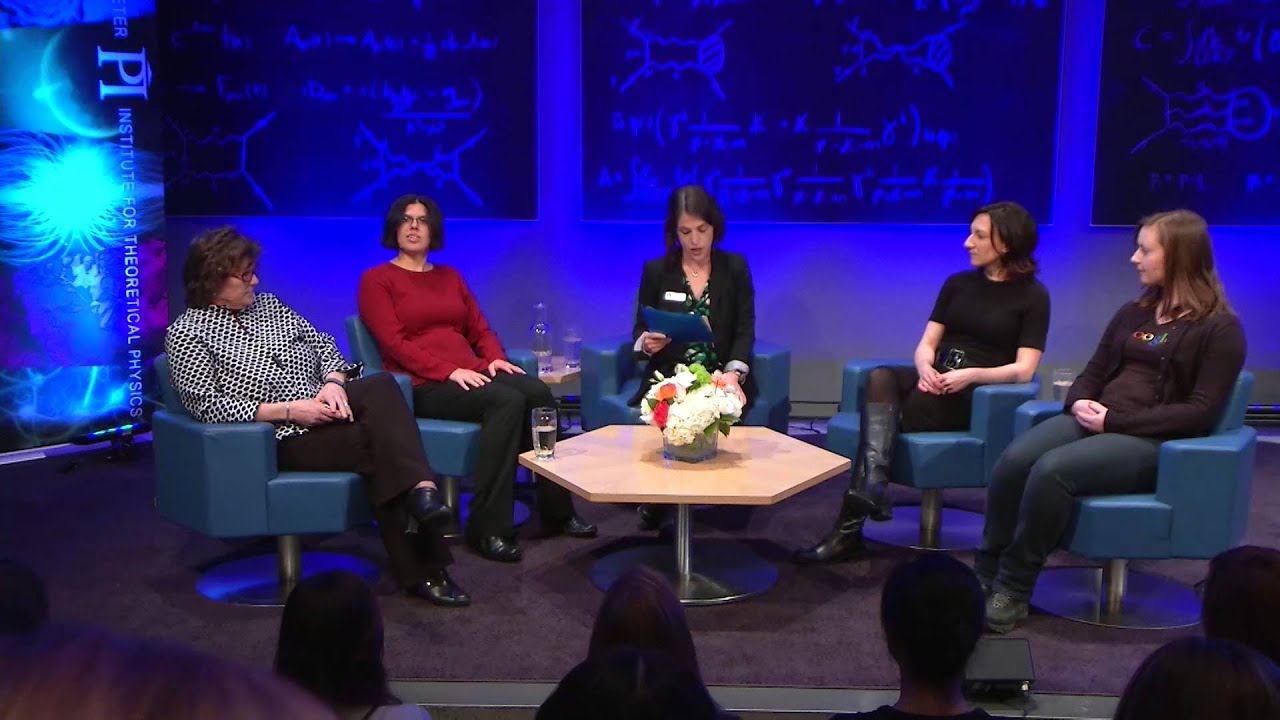
Inspiring Future Women in Science 2015
Keywords
Summary
143 words
Critical Evaluation
Value of the Information & Strength of the Argument
The value of the information lies in the authentic personal narratives and career insights shared by the speakers, which can be highly motivating for the target audience. The argumentation is based on anecdotal evidence and personal experience, which is appropriate for a motivational talk but lacks empirical rigor. The speakers effectively argue that hard work, perseverance, and a positive mindset are key to success, and they support this with concrete examples from their own careers. However, the arguments are not backed by scientific studies or data, making them less robust from a scientific perspective.
Scientific Rigor, Source Quality, Title Accuracy
The scientific rigor is moderate; the content is not research-based but rather experiential. The sources cited are the speakers’ own career experiences and a few inspirational quotes, which are not verifiable scientific sources. The title accurately reflects the content, as the conference is indeed about inspiring women in science. The production quality is high, and the institutional backing of Perimeter Institute adds credibility. However, the lack of external references and the subjective nature of the advice limit the scientific reliability.
189 words
Title / Content Match
The title accurately reflects the content: a conference aimed at inspiring young women to pursue careers in science.
Quality & Reliability
7/10
The event features credible speakers with established careers in STEM, and the content is largely anecdotal and motivational rather than presenting new scientific data. The production is by a reputable institution, but the information is subjective and not peer-reviewed.
Key Moments
Markers derived by PSI from the transcript: the creator did not define chapters.
- Opening remarks and introduction by Kelly Foil
- Rema Bre's keynote begins, sharing her background and early influences
- Rema discusses her career at Ubisoft and the importance of embracing challenges
- Diana Cowern's keynote starts, focusing on her path to science communication
- Panel discussion with speakers and mentors
- Final keynote and closing remarks, leading to speed mentoring session
Contribution & Novelties
The video provides a unique compilation of personal stories from women in STEM, offering role models and practical advice for young women. It highlights the importance of resilience and passion in career development. While the content is not novel in terms of scientific findings, it contributes to the discourse on gender diversity in STEM by showcasing real-world experiences.
Pour aller plus loin :
- Women in STEM — Overview of the participation and challenges of women in science, technology, engineering, and mathematics.
- Impostor syndrome — Psychological phenomenon where individuals doubt their accomplishments, relevant to the speakers’ discussions on confidence.
- Science communication — The practice of informing and engaging the public on scientific topics, as exemplified by Diana Cowern’s work.
118 words
Radar Profile
The radar profile shows moderate scores across information quantity and quality, with a lower technical level, reflecting the motivational and anecdotal nature of the content. The high reliability score indicates trust in the institutional source, but the lack of technical depth is evident.