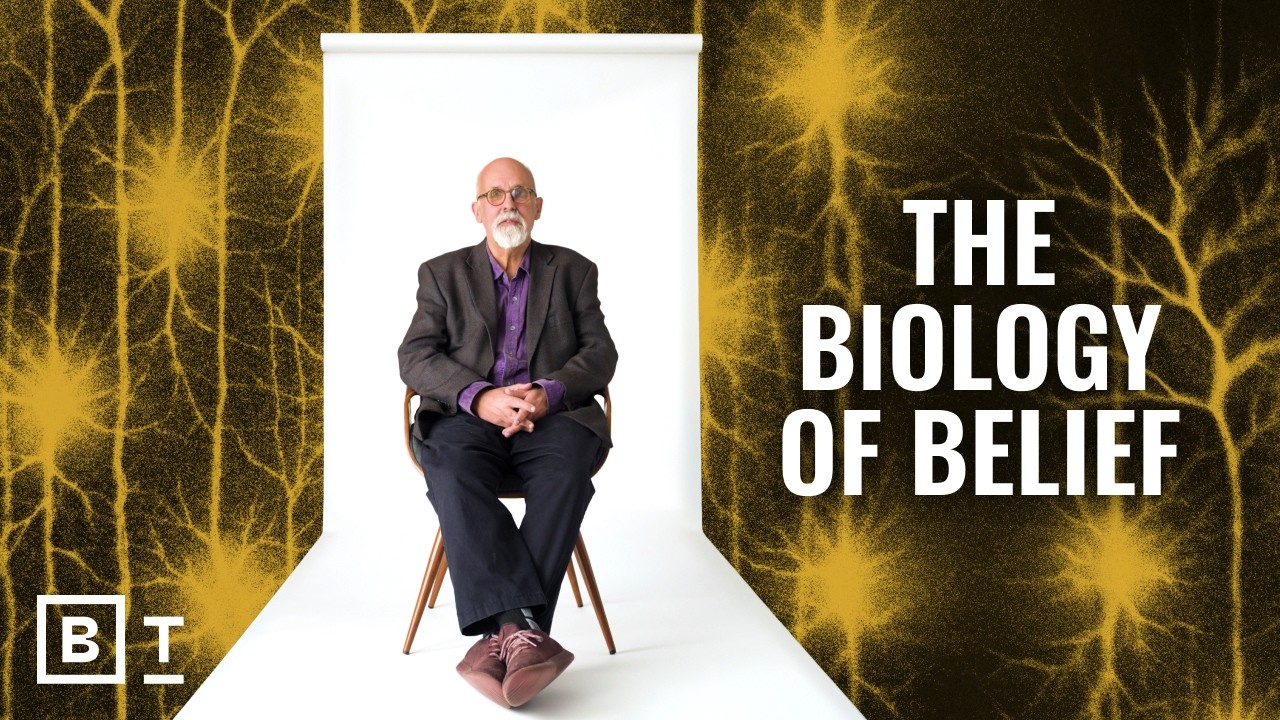
The bizarre phenomena that medicine struggles to explain | David Linden: Full Interview
Keywords
Summary
170 words
Critical Evaluation
David Linden’s interview is a masterclass in science communication, offering a deep and nuanced exploration of the mind-body connection. His expertise as a neuroscientist is evident, and he presents complex topics with clarity and precision. The discussion on GLP-1 drugs is particularly insightful, as he explains the mechanism of action, benefits, and potential drawbacks, including the loss of muscle mass and the need for long-term use. He also addresses the broader implications of these drugs, such as their effects on addiction, which adds depth to the conversation.
The segment on voodoo death and broken heart syndrome is compelling, as Linden provides biological explanations for phenomena that have often been dismissed as supernatural. He cites research on the role of the autonomic nervous system and stress hormones, grounding these phenomena in scientific evidence. Similarly, his discussion of the placebo effect is thorough, explaining how expectations can trigger real physiological changes, including the release of endorphins and dopamine.
One of the most striking parts of the interview is Linden’s discussion of cancer neuroscience. He explains how the nervous system can influence cancer growth and metastasis, and he highlights the potential for new treatments that target this interaction. This is an emerging field, and Linden’s insights are both informative and thought-provoking.
The interview also touches on the personal aspect of Linden’s life, as he shares his own experience with terminal cancer. This adds a poignant and human element to the discussion, making the scientific content more relatable. His reflections on preparing for death are honest and moving, and they underscore the importance of integrating scientific knowledge with personal wisdom.
Overall, the interview is highly valuable for anyone interested in the intersection of neuroscience, medicine, and human experience. Linden’s ability to communicate complex ideas in an accessible way is commendable, and his willingness to address controversial topics with scientific rigor is refreshing. The only minor critique is that some claims could benefit from more explicit citations, but this does not detract significantly from the overall quality of the content.
335 words
Title / Content Match
The title accurately reflects the content, which covers various medical phenomena that are difficult to explain, such as voodoo death, broken heart syndrome, and the placebo effect.
Quality & Reliability
9/10
David Linden is a professor of neuroscience at Johns Hopkins, and the interview is well-structured with clear explanations of complex topics. The content is based on established scientific research, though some claims are presented without direct citations in the video.
Chapters
- Chapter 1: The connection between mind and body
- Chapter 2: Hacking the hunger system with GLP1
- GLP-1 and the new era of appetite control
- Modern food engineering vs. ancient biology
- Chapter 3: Voodoo death, broken heart syndrome, and placebos
- Voodoo Death & Misdiagnosis
- Broken hearts, placebos, and the power of expectation
- The Placebo Effect
- From mind-body science to medicine
- Chapter 4: How our brains fight cancer
- Cancer, the Nervous system, and ‘The Way of the Nerd’
- Chapter 5: How a neuroscientist prepares for death
Cited Sources
- Big Think Membership — Promotional link for Big Think membership, mentioned at the beginning of the video.
- Full Interview Transcript — Link to the full transcript of the interview, provided in the video description.
- Big Think Newsletter — Link to Big Think's newsletter, mentioned in the description.
- Big Think Podcast on Spotify — Link to Big Think's podcast, mentioned in the description.
- How evolution works in 54 minutes | Sean B. Carroll: Full Interview — Recommended video in the description, related to biology and evolution.
Concurring Sources
- The Placebo Effect — Wikipedia article on the placebo effect, which aligns with Linden's discussion.
- GLP-1 receptor agonists — Wikipedia article on GLP-1 receptor agonists, consistent with Linden's explanation of these drugs.
Contribution & Novelties
This interview provides a comprehensive overview of the mind-body connection, synthesizing current research on interoception, the autonomic nervous system, and the placebo effect. It offers unique insights into the emerging field of cancer neuroscience, highlighting the role of the nervous system in cancer progression. The discussion on GLP-1 drugs is particularly timely, given their widespread use, and Linden’s balanced perspective on their benefits and limitations is valuable.
Pour aller plus loin :
- Interoception — A key concept in understanding how the body communicates with the brain.
- Placebo effect — The phenomenon where belief in treatment can produce real physiological effects.
- GLP-1 receptor agonists — The class of drugs discussed, including semaglutide and tirzepatide.
- Cancer neuroscience — A recent review on the interaction between the nervous system and cancer.
128 words
Radar Profile
The radar profile shows high scores across all dimensions, indicating a well-rounded and reliable content. The video excels in information quantity and quality, with a strong technical level and high reliability, reflecting the expertise of the speaker and the depth of the discussion.
💬 Très positif. Sur les 30 commentaires analysés, le public exprime une admiration unanime pour la clarté et la profondeur de l'interview, avec de nombreux remerciements pour la vulnérabilité et la sagesse de David Linden.