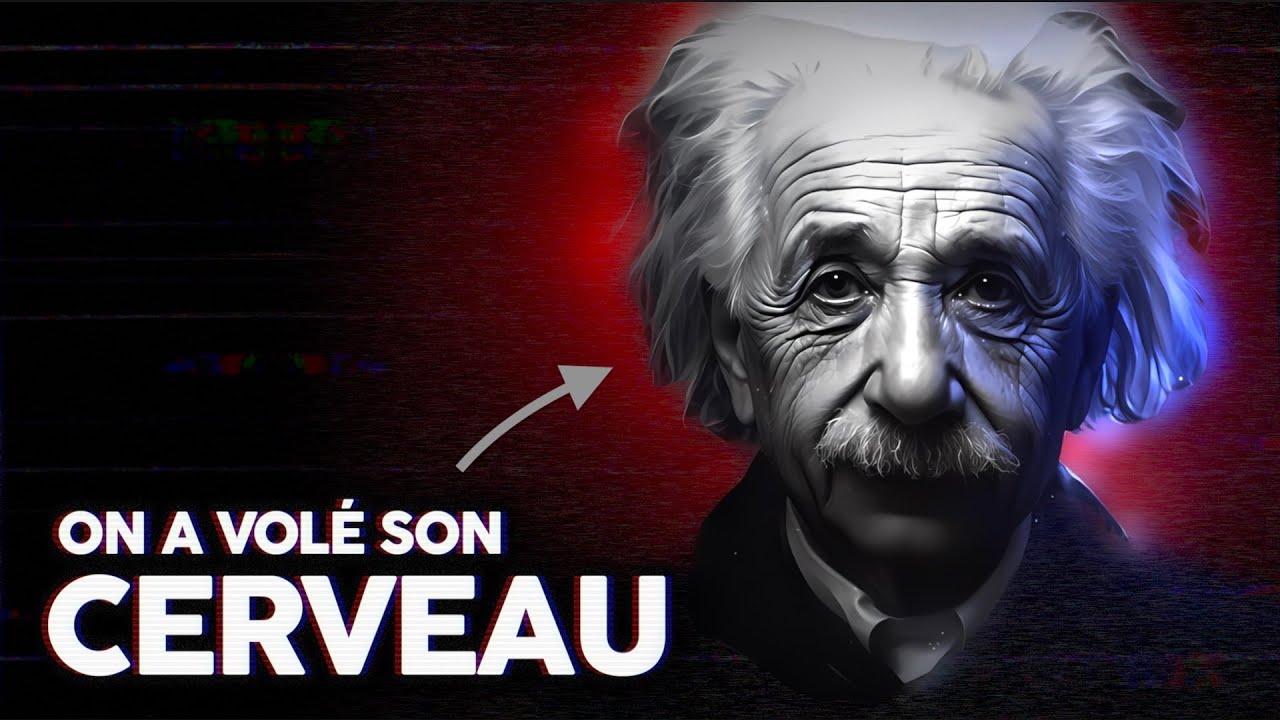
L'épopée délirante du CERVEAU d'Albert Einstein
Keywords
Summary
216 words
Critical Evaluation
Value of the Information & Strength of the Argument
The video provides substantial value by presenting a comprehensive and well-structured narrative of a lesser-known historical episode. It effectively combines biographical details, scientific context, and ethical considerations. The argumentation is solid: the creator presents multiple perspectives (Harvey’s justifications, the family’s outrage, the scientific community’s interest) and lets the audience form their own opinion. The story is told with a clear narrative arc, from the initial theft to the eventual rediscovery and scientific analysis. The creator also debunks some myths (e.g., the idea that Einstein’s brain was ’normal’ or that his intelligence was purely due to his environment) by presenting the actual scientific findings. The video is engaging and thought-provoking, raising questions about the ethics of scientific research and the legacy of great minds.
Scientific Rigor, Source Quality, Title Accuracy
The video demonstrates strong scientific rigor by citing multiple credible sources, including Wikipedia articles, historical newspaper archives (NYT), and reputable outlets like NPR and Wired. The creator clearly distinguishes between established facts, reported claims, and speculation. The title accurately reflects the content, which is a detailed and engaging narrative about the fate of Einstein’s brain. The video also includes a section on the scientific studies conducted on the brain, which adds to its credibility. The only minor weakness is that some sources are in French, which might limit accessibility for some viewers, but this does not detract from the overall quality.
239 words
Title / Content Match
The title accurately reflects the content, which is a detailed and engaging narrative about the fate of Einstein's brain.
Quality & Reliability
8/10
The video is a well-researched historical documentary, relying on multiple credible sources (Wikipedia, NPR, Wired, NYT archives) and presenting a balanced account of the controversy. The creator clearly distinguishes facts from speculation and provides context for the scientific and ethical issues.
Chapters
Cited Sources
- Brain of Albert Einstein - Wikipedia — Main reference for the story of Einstein's brain, including its removal, study, and whereabouts.
- Thomas Stoltz Harvey - Wikipedia — Biographical information about the pathologist who removed Einstein's brain.
- Albert Einstein - Wikipedia (French) — General information about Einstein's life and death.
- Introduction to General Relativity - Wikipedia (French) — Context on Einstein's scientific contributions.
- New Jersey Monthly — Magazine that published Steven Levy's article on Einstein's brain.
- The Search for Einstein's Brain - New Jersey Monthly — The original article by Steven Levy that revealed the brain's location.
- Pourquoi Albert Einstein était-il si intelligent ? - SciencePost — Article discussing the scientific studies on Einstein's brain.
- New York Times Archive - April 20, 1955 — Original NYT article about the search for clues in Einstein's brain.
- Le vol du cerveau d'Einstein : réalité ou fiction ? - Dargaud — Article about the story of the brain theft, possibly related to a comic book.
- Friend's memento: Einstein's eyes - Deseret News — Article about the removal and preservation of Einstein's eyes.
- Marian Diamond, the woman who dissected Einstein's brain - Futura Sciences — Information about one of the researchers who studied Einstein's brain.
- The Long, Strange Journey of Einstein's Brain - NPR — NPR article summarizing the story of Einstein's brain.
- Yes, I Found Einstein's Brain - Wired — Article by Steven Levy recounting his discovery.
- Le Fond Vidéo - YouTube — Background video used by the creator.
Concurring Sources
- Brain of Albert Einstein - Wikipedia — Provides a factual account of the brain's removal and study, consistent with the video.
- The Long, Strange Journey of Einstein's Brain - NPR — Confirms the key events and the role of Thomas Harvey.
- Yes, I Found Einstein's Brain - Wired — First-hand account by Steven Levy, corroborating the story.
Dissenting Sources
- No direct discordant sources found — The video's narrative aligns with the cited sources. There are no major contradictions, though some details (e.g., the exact reason for removing the eyes) remain unclear.
Contribution & Novelties
The video offers a compelling and well-documented narrative of a lesser-known historical event, providing a balanced view of the ethical and scientific issues. It brings together information from various sources and presents it in an engaging storytelling format, making it accessible to a wide audience. The creator also adds personal commentary and reflections, which adds value beyond a simple retelling.
Pour aller plus loin :
- Brain of Albert Einstein — Comprehensive overview of the story and scientific studies.
- Thomas Stoltz Harvey — Detailed biography of the pathologist.
- Marian Diamond — One of the researchers who studied Einstein’s brain, known for her work on glial cells.
- Phrenology — Historical pseudoscience that claimed to determine intelligence from skull shape, relevant to the discussion of brain anatomy and intelligence.
- Neuroplasticity — The brain’s ability to reorganize itself, relevant to the nature vs. nurture debate.
141 words
Radar Profile
The radar profile shows high scores in quantity and quality of information, reflecting the video's comprehensive and well-researched content. The technical level is moderate, as the video is accessible to a general audience but still includes scientific details. The overall reliability is high, supported by credible sources.
💬 Très positif. Sur les 30 commentaires analysés, la grande majorité exprime un enthousiasme marqué pour la qualité de la narration et la pertinence du sujet, avec quelques réserves éthiques sur le vol du cerveau.