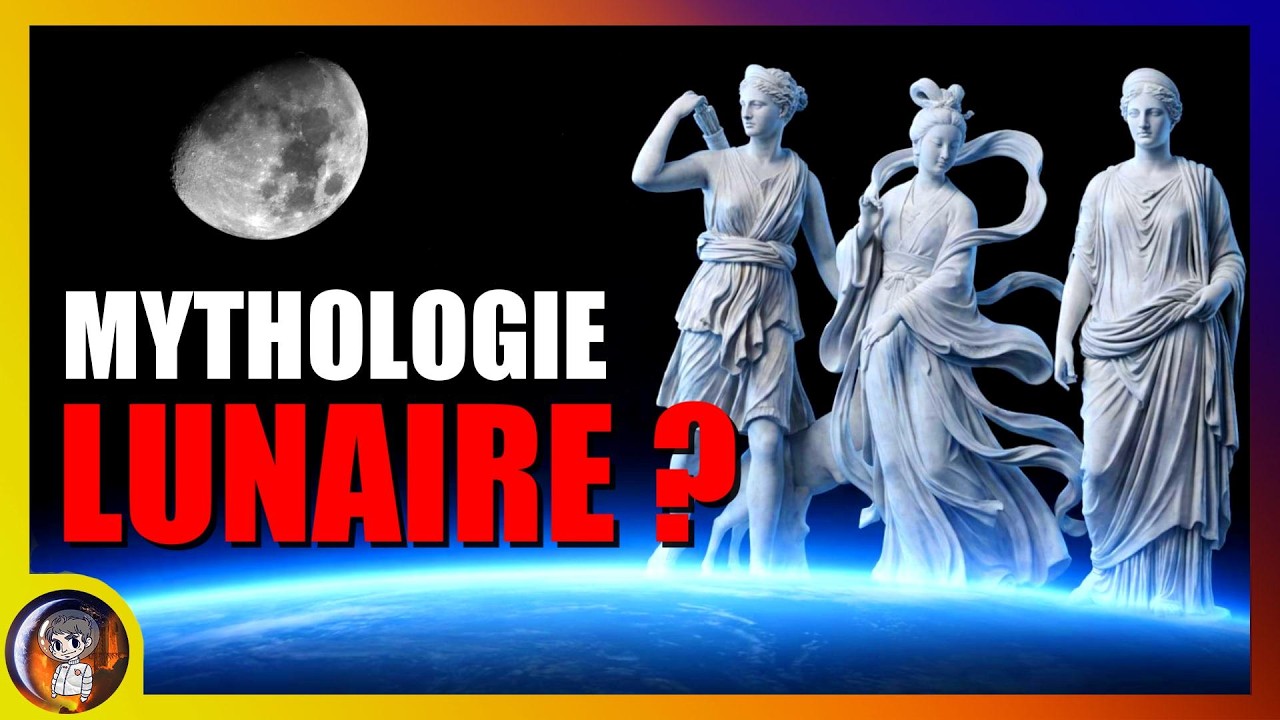
FUSÉES et MYTHOLOGIE : ce que les agences ne disent JAMAIS ! - Le Journal de la Starbase #359
Keywords
Summary
125 words
Critical Evaluation
Value of the Information & Strength of the Argument
The video provides a unique and engaging perspective on the cultural and symbolic dimensions of space exploration. It successfully connects mythological narratives to the strategic goals of space agencies, offering insightful interpretations (e.g., Artemis as a symbol of sustainable presence, Chang’e as a metaphor for patient colonization). The argumentation is coherent and well-structured, though it relies heavily on the host’s personal analysis and does not present counter-arguments or alternative interpretations. The factual information about mission timelines and program statuses is generally accurate, but the cultural analysis is subjective and not backed by academic sources.
Scientific Rigor, Source Quality, Title Accuracy
The video does not cite specific scientific sources for its mythological interpretations, relying instead on general knowledge and the host’s expertise. The description provides links to the channel’s blog and social media, but no direct references to academic papers or official documents. The title is somewhat clickbait, but the content does address the mythological naming of space programs, albeit with a mix of factual updates and cultural commentary. The video’s strength lies in its accessible storytelling rather than rigorous scientific analysis.
190 words
Title / Content Match
The title is somewhat sensationalist but the content does address the mythological naming of space programs, though it also includes substantial updates on SpaceX and Artemis.
Quality & Reliability
6/10
The video offers a well-structured narrative linking space programs to mythology, but relies on personal interpretation and lacks rigorous sourcing. It mixes factual elements (mission dates, program status) with speculative cultural analysis, and the title's sensationalism is not fully supported by the content.
Chapters
Cited Sources
- Journal de l'Espace - Blog — Official blog of the channel, likely containing additional articles and references.
- Listing questions/réponses et épisodes JDE — PDF listing questions and answers from subscribers, possibly including sources.
- Creative Commons License — License for the music used in the video.
Concurring Sources
- NASA Artemis Program — Official NASA page for the Artemis program, confirming mission details and naming rationale.
- CNSA Chang'e Missions — Official CNSA website, providing information on Chinese lunar exploration missions.
Dissenting Sources
External References
Contribution & Novelties
The video offers a novel angle by linking space program names to mythological narratives, providing a cultural and geopolitical interpretation that is rarely discussed in mainstream space news. It encourages viewers to consider the symbolic weight of these names and what they reveal about national ambitions.
Pour aller plus loin :
- Artemis program — Overview of NASA’s Artemis program, its goals, and missions.
- Chang’e 4 — Details on the Chinese lunar mission that landed on the far side of the Moon.
- Ariane (mythology) — Mythological background of Ariadne, relevant to the European launcher’s name.
- SpaceX Starship — Technical and programmatic details on the Starship vehicle.
105 words
Radar Profile
The radar profile shows a moderate quantity of information with a decent level of technical detail, but the quality and reliability are slightly lower due to the subjective nature of the cultural analysis. The video is more about interpretation than hard science, which is reflected in the scores.