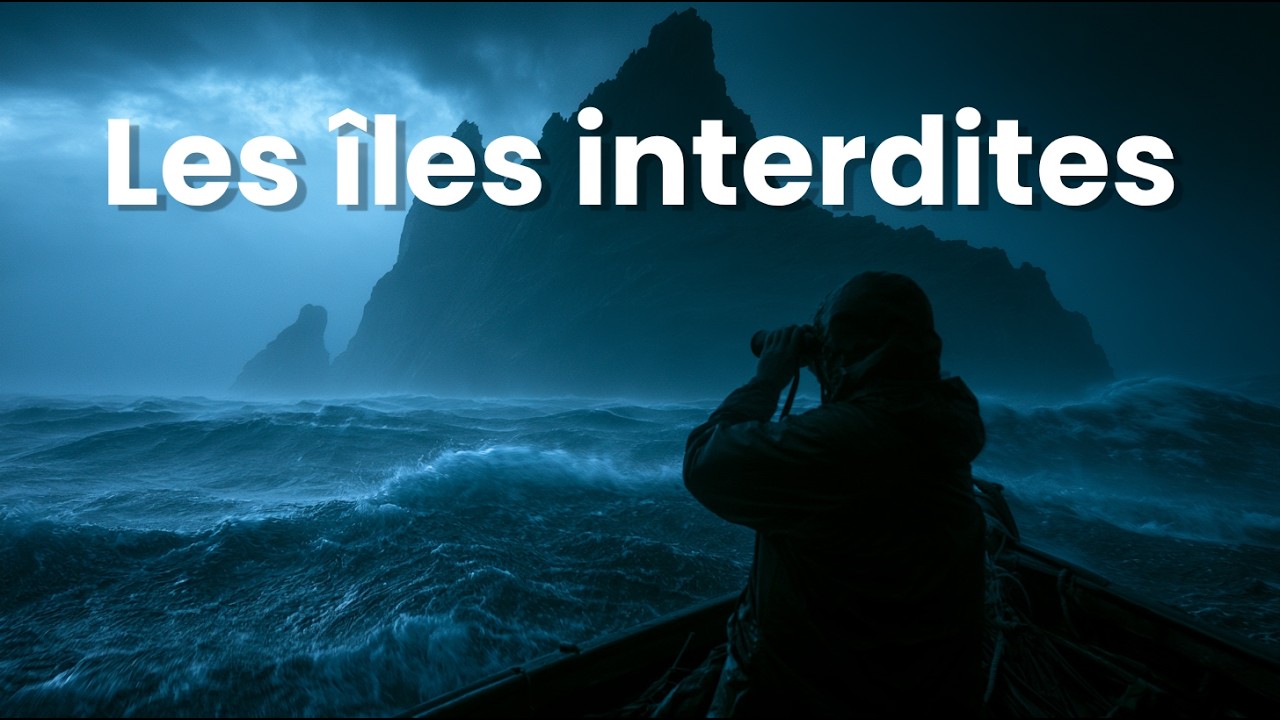
This documentary explores the remote subantarctic islands of Crozet, Kerguelen, and Amsterdam, part of the French Southern and Antarctic Lands (TAAF). The filmmaker joined a supply mission aboard the Marion Dufresne, documenting the journey and the unique wildlife that inhabits these protected areas. The video highlights the extreme isolation and harsh climate, with frequent storms and cold temperatures. It showcases the remarkable tameness of the fauna, including king penguins, southern elephant seals, and various seabirds, which have no natural land predators. The documentary explains the ecological significance of these islands, hosting millions of birds and large marine mammal populations. It also touches on the history of human exploitation, current scientific research, and conservation efforts. The narrative emphasizes the importance of these sanctuaries for biodiversity and the challenges of logistics and preservation in such remote territories.
Critical Evaluation
The video is a visually stunning and informative documentary that successfully conveys the unique ecological value of the subantarctic islands. The filmmaker's collaboration with the TAAF and IPEV lends credibility, as evidenced by the inclusion of scientific personnel and research activities. The footage is exceptional, capturing the scale of penguin colonies and the behavior of elephant seals. The narrative is engaging, blending personal experience with factual information about the species and their adaptations. However, the video lacks explicit citations for many specific claims, such as population numbers (e.g., '50 million birds') and behavioral details. While the overall information appears accurate based on general knowledge of these ecosystems, the absence of direct references reduces its scientific rigor. The documentary does not present any controversial or novel scientific findings; rather, it serves as an accessible introduction to the region. The title 'Les îles interdites aux humains' is representative, as the islands are indeed restricted to protect wildlife. The description and chapters provide a clear structure. The video's strength lies in its immersive storytelling and visual documentation, making it a valuable resource for public education. However, for a scientific audience, the lack of detailed data and citations is a limitation. The comments were not analyzed, but the video has a high like-to-view ratio, indicating positive reception. Overall, the documentary is a high-quality science communication piece that balances entertainment with education, though it could benefit from more rigorous sourcing.
The video provides a rare, firsthand visual account of the subantarctic islands, emphasizing the behavioral ecology of wildlife in an environment with minimal human disturbance. It highlights the concept of 'animal innocence' due to the absence of land predators, a key ecological insight. The documentary also underscores the logistical challenges of scientific research in extreme isolation. While not presenting new scientific data, it effectively communicates the importance of marine protected areas and conservation efforts.
Pour mieux comprendre :
- Crozet Islands — Wikipedia page detailing geography, history, and ecology of the archipelago.
- King penguin — Comprehensive article on the species' biology, behavior, and conservation status.
- Southern elephant seal — Wikipedia entry covering the species' characteristics, life cycle, and population distribution.
Radar Profile
The radar profile shows high scores in quantity and quality of information, reflecting the documentary's rich visual content and factual accuracy. The technical level is moderate, suitable for a general audience. The overall reliability is strong due to institutional collaboration, but the lack of explicit citations slightly lowers the score. The video excels in engaging storytelling and ecological education.